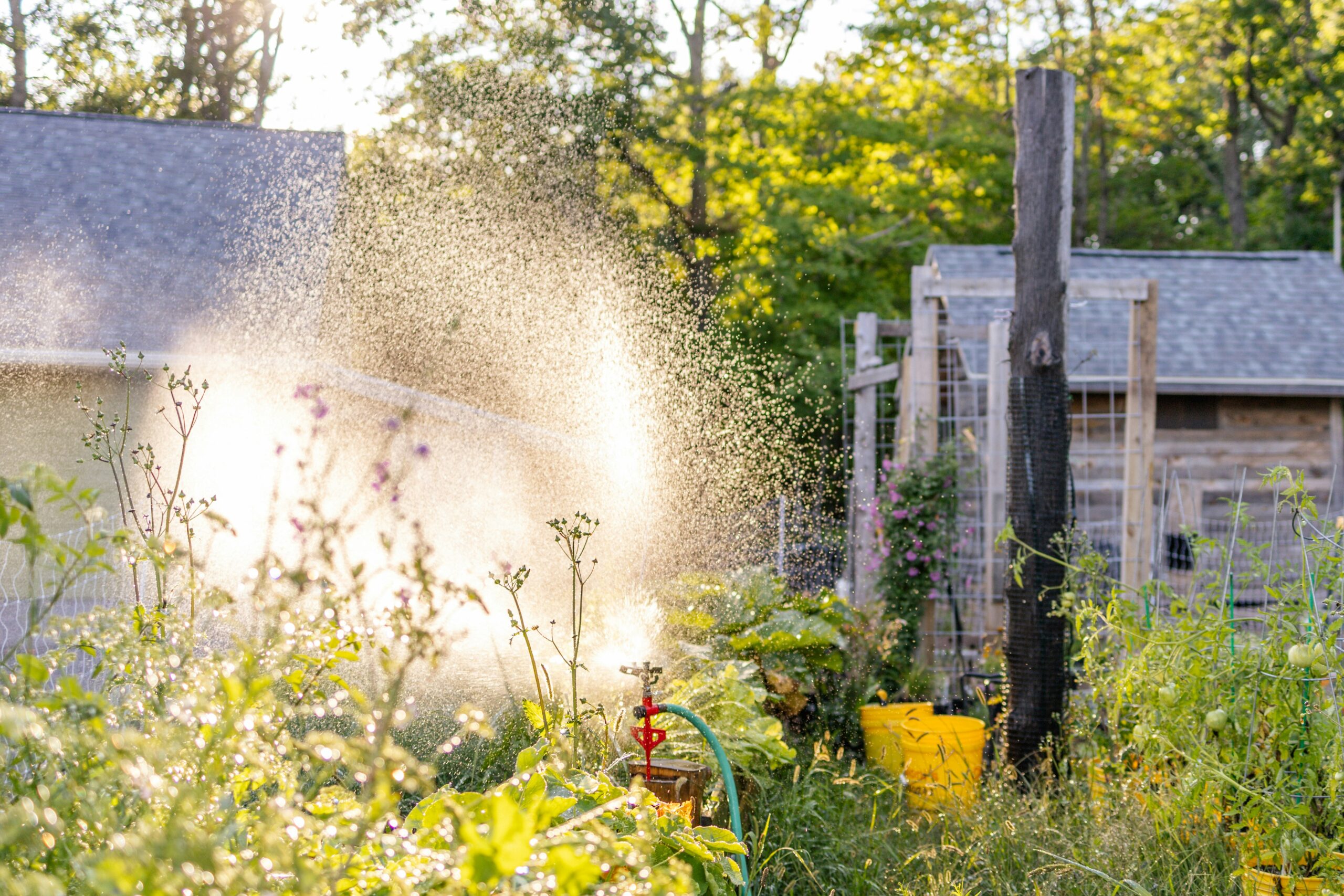
Rain is a free resource that most homes let slip away. Many homeowners do not realize how much water they can save by collecting rain. A rainwater harvesting system makes this easy. It helps the home capture, store, and use rainwater safely. This can reduce water bills and protect the home during dry months. More people are now adding these systems because they want a dependable water source and a greener lifestyle. With the proper setup, any home can turn rainwater into a valuable resource that supports both the budget and the environment.
Understanding What a Rainwater Harvesting System Is
A rainwater harvesting system collects rainwater from roofs or other surfaces. The water then flows through gutters and pipes into a storage tank. Some systems use small barrels, while others use large underground tanks. The goal is the same: store clean rainwater for household use later.
These systems work well in many types of homes. Even a small roof can provide hundreds of gallons during a regular rain. Homeowners do not need advanced tools or complex building skills to add a basic system. Most parts are easy to install and maintain. The simple design makes these systems popular with families who want to boost their water supply without spending too much.
The system also keeps rain from rushing off the roof and causing erosion. When water stays on the property, it supports plants, soil health, and groundwater. This makes rainwater valuable for both daily home needs and long-term land care.
Why More Homeowners Are Turning to Rainwater Storage
Many families look for ways to lower their monthly bills. Rainwater storage helps reduce the amount of water they buy from local utilities. For outdoor use, rainwater is often more gentle on plants than treated tap water. It does not carry added chemicals. This means gardens, lawns, and trees may grow better when watered with stored rainwater.
Homeowners also want to feel prepared during dry seasons. A stored supply gives them peace of mind. Even if the city faces water limits, they still have water at home. This makes a rainwater harvesting system a smart safety measure.
There are also environmental reasons. Using rainwater reduces strain on public water systems. When fewer homes draw from rivers and groundwater, these natural sources stay healthier. The system also helps reduce flooding. When people store rain instead of letting it run into the streets, it lowers pressure on storm drains.
Many homeowners also like how flexible these systems are. Some use stored water only for outdoor chores. Others connect the system to indoor fixtures such as toilets or laundry lines. This helps them save even more water. No matter the size of the home, the system can match its needs.
Key Parts of a Home Rainwater Harvesting System
Every system has a few essential parts. Each one plays a simple but vital role. Together, they make rainwater collection smooth and safe. The catchment area is the first part. This is usually the roof. Clean surfaces work best because they give cleaner water. Next are the gutters and downspouts. They move the water from the roof and guide it to the tank. Keeping gutters clear helps the system work better.
A filter or screen keeps leaves and dirt from entering the tank. Some homes add a “first-flush diverter.” This tool sends the first bit of dirty roof water away from the tank. After that, cleaner rainwater enters storage. The tank is the main storage area. Tanks come in many sizes. Some are slim and fit beside the house. Others are large barrels for small gardens. Bigger homes may use underground tanks to hide them from view.
A pump moves the stored water when needed. Smaller systems rely on gravity, which works well for watering gardens. But pumps help move water to higher points or indoor fixtures. In many homes, the system also has a simple treatment step. This may include charcoal filters or UV units. These help keep the water safe for non-drinking uses.
Popular Uses for Residential Rainwater
Rainwater is helpful for many household tasks. One of the most common uses is garden watering. Plants respond well to natural rainwater because it does not contain chlorine or other additives. Homeowners also use rainwater for washing cars and cleaning patios. It works well for these tasks and saves treated water for more essential needs.
Some systems send water to toilet tanks. This saves a large amount of drinking-grade water every month. In many homes, toilet flushing is among the top water uses. By replacing it with stored rainwater, families can easily reduce waste.
Other uses include laundry, especially in areas where wash cycles do not require treated water. With proper filtration, rainwater can support many basic cleaning tasks. These small changes add up to significant savings. That is why many homeowners see these systems as a wise investment.
In the middle of the article, it is important to highlight another key term: sustainable water management. This phrase shows how rainwater harvesting supports the wise and safe use of natural resources. Homeowners who store rainwater help protect their community’s shared water supplies. This makes the system useful not just for one house but for entire neighborhoods.
How to Maintain a Home Rainwater Harvesting System
A well-kept system can last for many years. The good news is that most parts need very little care. Basic steps keep the system working smoothly and safely. Gutter cleaning is one of the most critical tasks. Leaves, twigs, and dirt can block water flow. A quick check once a month is enough for most homes. After storms, it’s a good idea to recheck the gutters.
Tanks also need care. Homeowners should make sure lids stay closed. This keeps out insects and debris. Some tanks have screens that require cleaning from time to time. If the storage tank is large, checking it twice a year is usually enough. Filters must stay clean. A clogged filter slows the system down. Most screens only need rinsing. First-flush diverters also require a simple check to make sure they are not blocked.
If the system has a pump, it may need a yearly service check. Pumps last longer when they run smoothly and stay free of dirt. These small steps keep the system strong. They also help keep the stored water clean. With steady care, homeowners get the most value from their rainwater-harvesting system.
Rainwater harvesting also complements other home projects. When paired with native plants, mulch, or drip irrigation, the system becomes even more effective. It helps the home create a complete water-saving environment.
Homeowners who want a greener lifestyle often connect rain systems with eco-friendly home solutions. This shows how rainwater harvesting supports modern, sustainable living. As families look for ways to reduce waste and save money, this system becomes a clear and straightforward choice. It fits into daily life with minimal effort and offers long-term rewards. Any home, large or small, can start capturing rain and turning it into a smart resource.