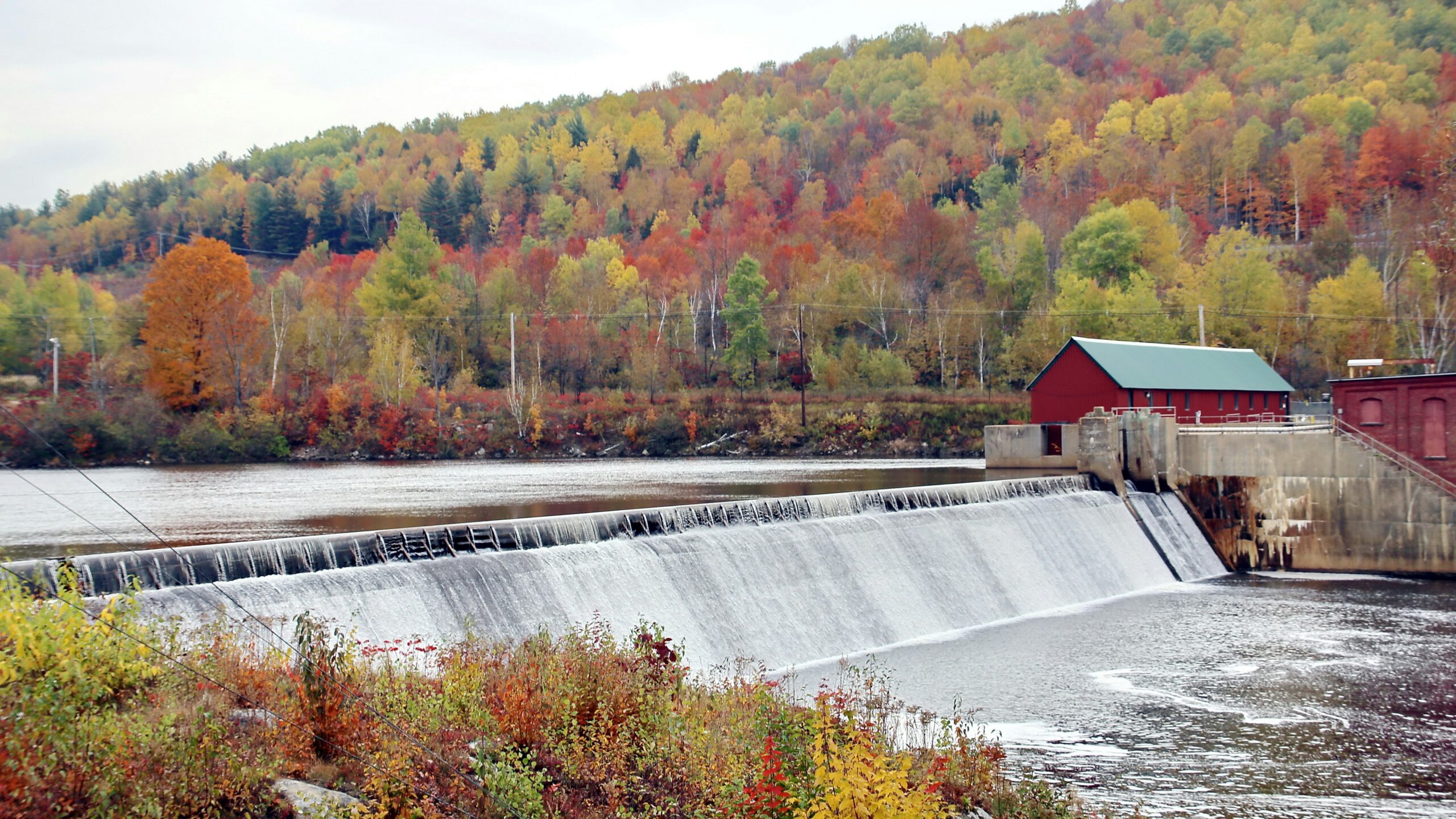
The natural water cycle keeps life on Earth thriving by circulating water through the environment in a continuous loop. Water evaporates from oceans, lakes, and soil as the sun warms the surface. After the vapor rises, it cools and forms clouds. When the clouds fill with moisture, rain or snow falls back to the ground. This process keeps rivers, lakes, and groundwater supplied with fresh water.
The water cycle supports plants, animals, and people because it renews the water we use each day. Soil stays healthy, rivers remain active, and plants keep growing as long as the cycle stays balanced. When the cycle flows smoothly, communities enjoy cleaner water and healthier environments. Because the cycle affects so many parts of our world, it is essential to protect and manage it with care.
Why Effective Water Management Matters for Balance
Effective water management plays a vital role in maintaining a balanced natural water cycle. When people use water wisely, the cycle continues to function as it should. When communities overuse or pollute water, the cycle weakens. Responsible management helps reduce waste and protects the sources that feed the cycle.
Communities face growing challenges as climate patterns shift and populations increase. Heavy storms appear in some places, while long dry seasons affect others. Strong water management gives communities the tools to adjust to these changes. It keeps water supplies steady and helps protect the cycle from long-term damage. Because the natural water cycle connects every part of the environment, good management supports both people and nature.
Human Activities That Affect the Water Cycle
People influence the natural water cycle every day. When cities expand, pavement covers soil that once absorbed rain. The land loses its ability to take in water, so more water flows across the surface. This reduces groundwater recharge and increases flooding. Good management plans help restore green spaces and improve water absorption, which supports the natural cycle.
Agriculture also shapes the water cycle. Farmers use large amounts of water to grow crops, and that can drain rivers and aquifers if they do not follow responsible practices. When fertilizers and chemicals wash into streams, polluted water enters the cycle and harms plants, animals, and people. Strong management programs encourage efficient irrigation, clean farming practices, and soil protection to help the cycle stay strong.
Protecting Water Quality to Support the Cycle
Clean water keeps the natural water cycle healthy. When water quality declines, the entire cycle struggles to support life. Pollution from farms, cities, and industries travels into lakes and rivers. It can move through the air as vapor and return as dirty rain. Good management protects water by reducing pollution, improving treatment systems, and restoring natural areas.
Healthy wetlands help keep water clean by filtering pollutants before they reach rivers. Forests help water soak into the soil and prevent erosion. Grasslands protect water from running off too quickly. Firm management plans protect these environments so they can continue supporting clean water and a steady cycle. Communities that invest in nature build stronger protection of the water cycle and improve long-term sustainability.
How Conservation Strengthens the Water Cycle
Water conservation plays a significant role in balancing the natural water cycle. When people save water, they reduce pressure on rivers, lakes, and underground sources. Conservation also supports the cycle by giving water more time to move naturally. Even small actions make a difference because they keep the water cycle stable and healthy.
Communities promote conservation by teaching people to use water more wisely. Farmers can use modern irrigation to avoid waste. Homes can use efficient appliances to reduce daily water use. Cities can fix leaks and repair old pipes so less water disappears. When everyone works together, conservation becomes a strong tool for protecting the water cycle.
The Importance of Groundwater Management
Groundwater forms an integral part of the natural water cycle because it supplies water during dry seasons. When rain soaks into the ground, it fills underground aquifers. People use groundwater for drinking, farming, and industry. If they pump too much water too quickly, the aquifers lose their ability to recover. Effective water management protects groundwater by encouraging responsible pumping and improving recharge.
Communities can increase groundwater recharge by restoring areas that allow water to seep into the soil. Parks, wetlands, and open fields help water enter the ground. Natural areas keep the cycle steady by storing water safely and releasing it slowly. Strong groundwater management supports the entire water cycle and improves water security for future generations.
Climate Change and the Need for Strong Management
Climate change affects the natural water cycle in many ways. Warmer temperatures increase evaporation and create stronger storms. Some places receive heavy rain, while others face prolonged droughts. These shifts create serious challenges for communities and ecosystems. Strong management helps people adapt by focusing on long-term planning and responsible use.
Communities can prepare for climate change by protecting natural areas, improving storage systems, and strengthening conservation practices. When people understand the cycle and manage water effectively, they reduce the impact of climate change and protect their environment. Good management builds resilience by keeping the cycle steady even when conditions shift.
How Technology Supports Better Water Management
Technology improves water management by helping people track rainfall, monitor rivers, and measure groundwater levels. Sensors provide real-time data that help communities understand how the water cycle responds to weather and human activity. With accurate information, managers can make better decisions and protect water supplies more effectively.
Intelligent irrigation systems deliver water only when plants need it, reducing waste and supporting the water cycle. Improved treatment systems clean water more efficiently, and leak detection tools stop water loss in cities. Technology and nature work together when communities use modern tools to support the natural water cycle.
Building a Sustainable Future Through Responsible Management
A sustainable future depends on protecting the natural water cycle through effective management. Communities, farmers, industries, and individuals all play a role in keeping water clean and available. When people understand how the cycle works, they can make choices that protect water and support the environment.
Responsible management encourages cooperation, education, and awareness. It teaches people how to reduce waste, protect nature, and prepare for climate change. Communities that invest in strong management today create a healthier world for tomorrow. The natural water cycle stays balanced when people respect it, protect it, and manage it with care.