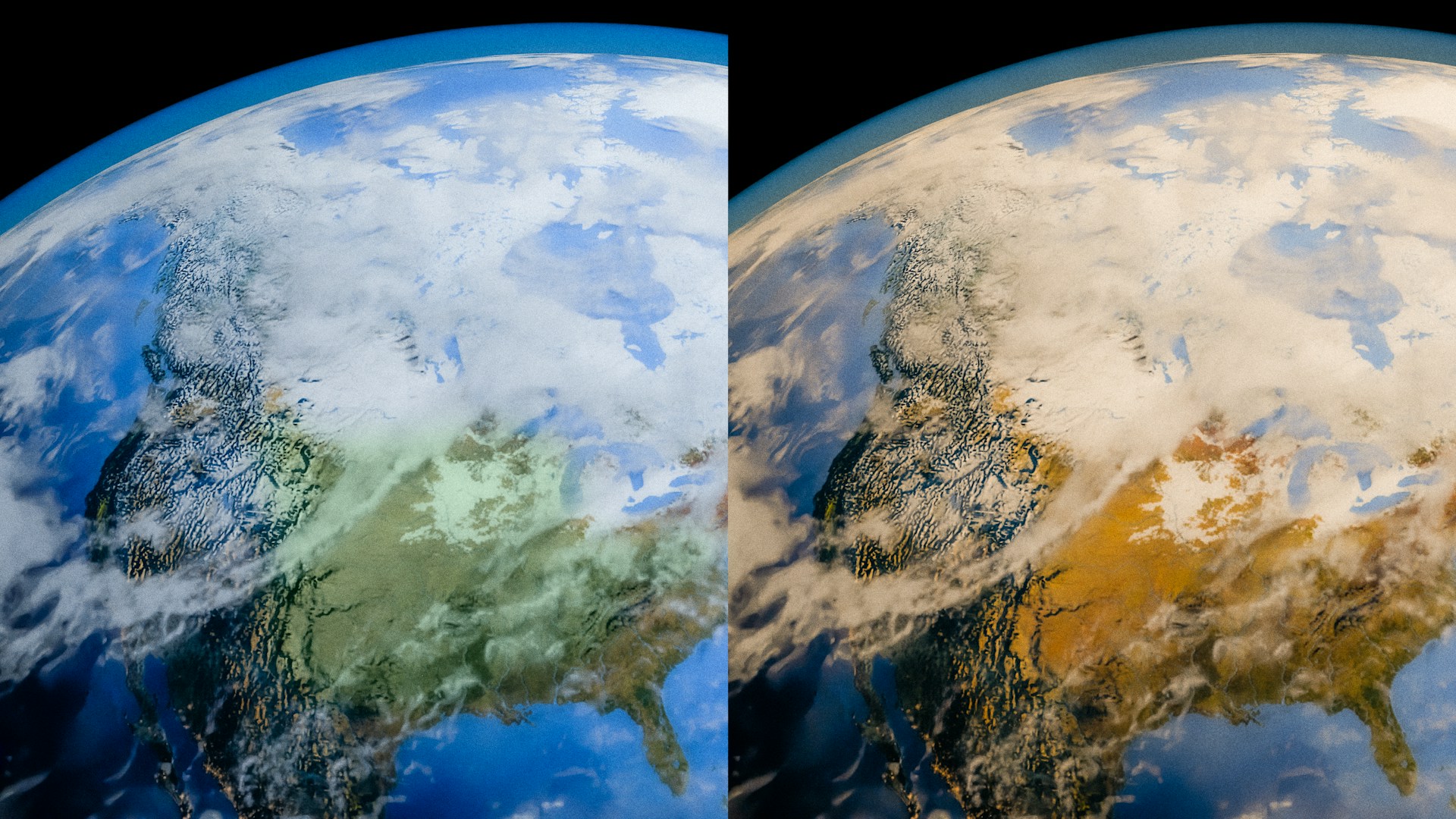
Climate change is no longer a distant environmental concern—it is a present-day reality reshaping ecosystems, economies, and communities across the globe. Among its most profound effects is the impact on water resources. From shrinking glaciers and declining groundwater supplies to intensified droughts and floods, climate change is dramatically altering the global water cycle. Understanding how climate change impacts water resources is essential for protecting drinking water supplies, agricultural productivity, biodiversity, and public health.
Water is fundamental to life. Yet rising global temperatures, shifting precipitation patterns, and increasing extreme weather events are disrupting the delicate balance that sustains freshwater systems. As the planet warms, the hydrological cycle accelerates, leading to more evaporation, heavier rainfall in some regions, and prolonged droughts in others. These changes are creating a complex and urgent global water crisis.
Rising Temperatures and the Changing Water Cycle
One of the primary ways climate change affects water resources is by intensifying the natural water cycle. Warmer air holds more moisture, which increases evaporation from oceans, rivers, lakes, and soil. This heightened evaporation can dry out land surfaces, reduce soil moisture, and strain water supplies, especially in arid and semi-arid regions.
At the same time, increased atmospheric moisture leads to heavier and more intense rainfall events. While this may seem beneficial, sudden downpours often result in surface runoff rather than groundwater recharge. Instead of replenishing aquifers, heavy rainfall can cause flooding, erosion, and water contamination. This uneven distribution of precipitation—more intense storms but longer dry spells—creates instability in water availability.
Snowpack and glaciers are also highly sensitive to rising temperatures. In many mountainous regions, snowpack acts as a natural reservoir, slowly releasing water during warmer months. However, warmer winters reduce snowfall and cause earlier snowmelt. This shift disrupts seasonal water flows, leaving less water available during summer when demand is highest for agriculture and human consumption.
Glaciers, which supply freshwater to millions of people worldwide, are melting at alarming rates. As glaciers retreat, communities that depend on glacial meltwater face long-term water shortages. Initially, melting may increase river flow, but over time, as glaciers shrink, water supply declines significantly.
Droughts, Floods, and Extreme Weather Events
Climate change is increasing the frequency and severity of extreme weather events, directly affecting water resources. Droughts are becoming longer and more intense in many parts of the world. Reduced rainfall combined with higher evaporation rates depletes rivers, reservoirs, and groundwater supplies. Prolonged drought conditions can lead to crop failures, food insecurity, and economic losses.
In contrast, other regions are experiencing more frequent and severe floods. Intense rainfall events overwhelm drainage systems, damage infrastructure, and contaminate drinking water sources. Floodwaters often carry pollutants, sediments, and harmful microorganisms into rivers and reservoirs, degrading water quality and increasing health risks.
Hurricanes and tropical storms, fueled by warmer ocean temperatures, are also contributing to water-related disasters. Storm surges and heavy rains can lead to saltwater intrusion in coastal aquifers, reducing the availability of fresh drinking water. Coastal communities are particularly vulnerable, as rising sea levels further exacerbate saltwater contamination of freshwater supplies.
The combined effect of droughts and floods creates a cycle of water insecurity. Infrastructure designed for historical climate conditions may no longer be adequate, placing additional pressure on governments and communities to adapt.
Impacts on Groundwater and Water Quality
Groundwater is a critical source of freshwater for billions of people. However, climate change is threatening both its quantity and quality. Reduced precipitation in certain regions limits natural groundwater recharge. When surface water becomes scarce due to drought, communities often rely more heavily on groundwater extraction. Over-pumping can lead to declining water tables, land subsidence, and long-term depletion of aquifers.
In addition to quantity concerns, water quality is increasingly at risk. Higher water temperatures can promote the growth of harmful algal blooms in lakes and reservoirs. These blooms produce toxins that contaminate drinking water and threaten aquatic ecosystems. Warmer waters also hold less dissolved oxygen, which can harm fish and other aquatic life.
Heavy rainfall and flooding can wash fertilizers, pesticides, and industrial pollutants into water bodies. This runoff contributes to nutrient pollution, leading to eutrophication and dead zones in lakes and coastal areas. In regions experiencing drought, lower water levels can concentrate pollutants, further degrading water quality.
Climate change also influences the spread of waterborne diseases. Warmer temperatures and changing rainfall patterns create favorable conditions for pathogens and vectors, increasing the risk of illnesses such as cholera and other gastrointestinal infections.
Effects on Agriculture, Ecosystems, and Communities
The impact of climate change on water resources extends far beyond drinking water supplies. Agriculture, which accounts for approximately 70% of global freshwater use, is highly vulnerable to changes in water availability. Irregular rainfall, prolonged droughts, and shifting growing seasons make it difficult for farmers to plan and maintain crop yields. Reduced water supply can lower agricultural productivity, increase food prices, and threaten global food security.
Ecosystems are also under stress. Wetlands, rivers, and lakes depend on stable water levels and temperatures. Changes in flow patterns can disrupt breeding cycles, migration routes, and habitat availability for countless species. Freshwater biodiversity is declining rapidly, and climate change is a significant contributing factor.
Urban communities face unique challenges as well. Rapid population growth combined with climate-induced water stress places additional demand on aging water infrastructure. Cities may experience water shortages, restrictions, and increased competition between residential, agricultural, and industrial users.
Vulnerable populations are disproportionately affected by water scarcity and climate change. Low-income communities often lack the resources to adapt to water shortages or recover from floods. In some regions, water scarcity can contribute to social tensions and conflict over limited resources.
Strategies for Protecting Water Resources
Addressing the impact of climate change on water resources requires both mitigation and adaptation strategies. Reducing greenhouse gas emissions is essential to limit further warming and stabilize the global climate. Transitioning to renewable energy, improving energy efficiency, and promoting sustainable land use are critical steps in slowing climate change.
At the same time, communities must adapt to changing water conditions. Investing in resilient water infrastructure, such as improved drainage systems and water storage facilities, can help manage extreme weather events. Enhancing groundwater recharge through sustainable land management practices can protect aquifers.
Water conservation plays a vital role in ensuring long-term sustainability. Efficient irrigation systems, rainwater harvesting, and water-saving technologies can reduce pressure on freshwater supplies. Policymakers can implement integrated water resource management approaches that consider climate projections and promote equitable water distribution.
Protecting natural ecosystems is equally important. Wetlands, forests, and watersheds act as natural buffers against floods and droughts. Restoring and preserving these ecosystems strengthens resilience to climate impacts while supporting biodiversity.
Securing Water in a Changing Climate
Climate change is reshaping the world’s water resources in complex and interconnected ways. Rising temperatures, altered precipitation patterns, melting glaciers, and extreme weather events are disrupting water availability and quality worldwide. The consequences affect agriculture, ecosystems, economies, and human health.
Understanding how climate change impacts water resources is the first step toward building resilience. By combining climate mitigation efforts with sustainable water management practices, societies can protect freshwater supplies for future generations. The challenge is significant, but proactive action today can help ensure a more secure and sustainable water future in a warming world.