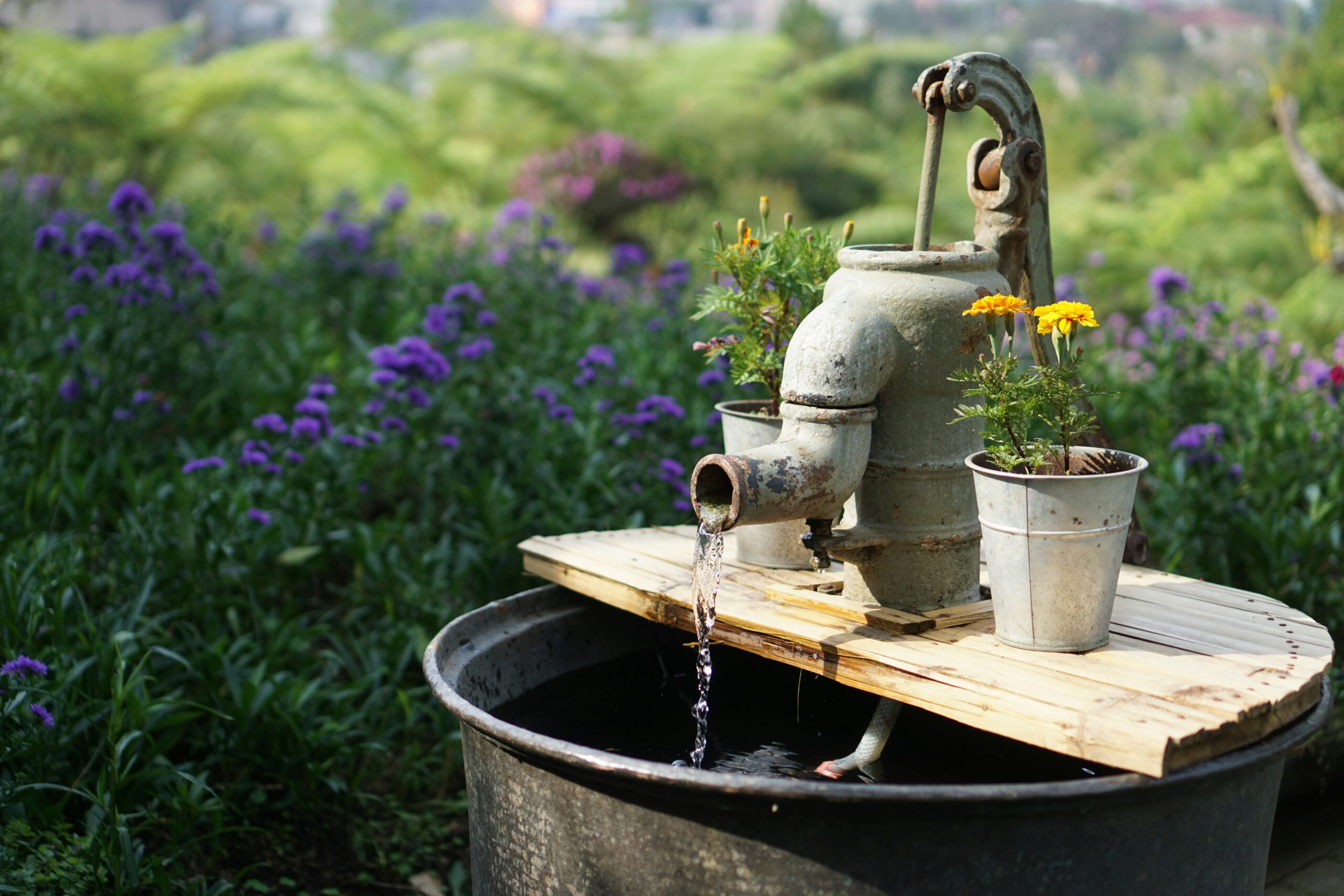
A beautiful garden does not need large amounts of water to survive. Many traditional landscapes rely on constant irrigation, which increases water bills and wastes natural resources. Water-efficient gardening offers a better path. It allows homeowners to create healthy landscapes while using less water.
This approach focuses on smart plant choices, healthy soil, and careful watering habits. A sustainable garden grows stronger over time because it adapts to natural conditions. When gardeners use water wisely, plants thrive, and the landscape becomes easier to maintain.
Start With Smart Garden Planning
Every successful water-efficient garden begins with thoughtful planning. Before planting, it helps to study the outdoor space carefully. Notice how sunlight moves across the yard during the day. Observe where water collects after rainfall and where soil dries quickly.
Understanding these patterns helps you place plants in the right locations. Plants that enjoy full sun can thrive in open areas, while shade-loving plants perform better in cooler spots. When plants grow in conditions that match their natural needs, they require less water and less attention.
Choose Plants That Need Less Water
Plant selection plays a major role in water-efficient gardening. Some plants naturally grow well with little moisture. These plants often come from dry climates and have adapted to survive with limited water.
Drought-tolerant plants are strong and resilient once established. Their roots grow deeper into the soil, allowing them to access moisture stored underground. By choosing plants that naturally use less water, gardeners can reduce irrigation needs while still enjoying a vibrant landscape.
Improve Soil to Hold Moisture Longer
Healthy soil helps gardens stay hydrated longer. Soil that contains organic matter absorbs water more effectively than dry or compacted soil. When soil holds moisture well, plants can use that water slowly over time.
Compost is one of the best ways to improve soil quality. Adding compost enriches the soil and helps it retain moisture. It also supports beneficial microorganisms that strengthen plant roots. Over time, improved soil reduces the need for frequent watering.
Water Deeply but Less Often
Many gardeners water their plants lightly every day. This habit may seem helpful, but it often leads to shallow root growth. Plants with shallow roots depend on constant watering because they cannot reach moisture deeper in the soil.
Deep watering encourages stronger root systems. When water reaches deeper soil layers, plant roots grow downward in search of moisture. Strong roots help plants tolerate dry periods and remain healthy even when watering becomes less frequent.
Use Mulch to Protect the Soil
Mulch acts as a protective blanket over garden soil. It slows down evaporation by shielding the soil from direct sunlight and heat. When moisture stays in the soil longer, plants remain hydrated without constant watering.
Organic mulch also improves soil health as it breaks down over time. Materials such as wood chips, bark, and dried leaves gradually add nutrients to the soil. This natural process supports plant growth while helping the garden conserve water.
Group Plants by Similar Water Needs
Water-efficient gardens often use a simple strategy called plant grouping. This method places plants with similar water needs together in the same area. When plants share similar moisture requirements, watering becomes easier and more efficient.
This approach prevents overwatering certain plants while others remain dry. For example, drought-tolerant plants can be planted together in sunny areas with limited irrigation. Plants that prefer more moisture can grow in cooler spots where the soil stays damp longer.
Consider Efficient Irrigation Methods
Traditional watering systems often waste water. Sprinklers can lose moisture through evaporation before it even reaches the soil. Water may also run off the surface rather than soak into the ground.
More efficient irrigation methods deliver water directly to plant roots. Drip irrigation systems release water slowly at the base of plants. This gentle process allows moisture to soak deeply into the soil. Plants receive the water they need without unnecessary waste.
Collect Rainwater for Garden Use
Rainwater can become a valuable resource in a sustainable garden. Instead of allowing rainwater to run off driveways and roofs, gardeners can collect it for later use. Rain barrels are simple tools that store rainwater during storms.
Stored rainwater can be used during dry periods to water plants. Rainwater is also beneficial because it contains fewer chemicals than treated water. Using rainwater reduces pressure on local water supplies while supporting healthy plant growth.
Maintain the Garden With Care
A water-efficient garden continues to improve with proper care. Regular observation helps gardeners understand how plants respond to weather changes and seasonal conditions. Paying attention to soil moisture and plant health prevents both overwatering and drought stress.
Simple maintenance practices help sustain a healthy garden. Refreshing mulch, improving soil with compost, and adjusting watering habits keep the landscape balanced. Over time, plants grow stronger and require less attention, making the garden easier to manage.
Create a Landscape That Supports Sustainability
Water-efficient gardening supports both the environment and the gardener. A well-designed landscape uses natural resources wisely while still offering beauty and comfort. Plants grow stronger when they rely on natural moisture patterns rather than constant watering.
Over time, a sustainable garden becomes a stable and resilient ecosystem. Healthy soil, smart plant choices, and thoughtful watering practices work together to create balance. This approach allows homeowners to enjoy a thriving landscape while protecting valuable water resources.