Water is one of Earth’s most essential resources, sustaining life, supporting ecosystems, and driving economies. Yet, while the planet has a vast supply of water, only a small fraction is accessible and usable for human needs. Understanding the water cycle and implementing effective management strategies are vital to ensure that this precious resource remains available for generations to come. The natural water cycle operates continuously, but human activities increasingly influence how water is distributed, stored, and replenished. Therefore, the connection between natural processes and effective management is crucial for achieving balance and sustainability.
Understanding the Natural Water Cycle
The water cycle, also known as the hydrologic cycle, describes the continuous movement of water within and around Earth’s systems. It begins with evaporation, as heat from the sun transforms surface water from oceans, lakes, and rivers into vapor. This vapor rises into the atmosphere, where it cools and condenses into clouds. Eventually, gravity causes water droplets within the clouds to fall back to the surface as precipitation—rain, snow, sleet, or hail.
Once precipitation reaches the ground, water follows several paths. Some of it infiltrates the soil and becomes groundwater, replenishing aquifers that serve as vital freshwater sources. Some water runs off over the surface, feeding rivers and streams that eventually return to the ocean. Plants also play a key role through transpiration, releasing water vapor back into the air. Together, these processes maintain Earth’s water balance. However, the cycle is not just a natural phenomenon; it is also profoundly affected by how humans use and manage water resources. Only through effective management can the delicate balance of the cycle be preserved for ecological stability.
Human Influence on the Water Cycle
Pollution from factories, farms, and households adds chemicals and waste to rivers and lakes, making them unsafe for use. Climate change has also intensified the problem by altering precipitation patterns, leading to droughts in some areas and extreme floods in others. Melting glaciers and rising sea levels further threaten freshwater availability. These human-induced changes highlight the urgent need to manage both water resources and ecosystems effectively. Without effective management, water shortages, habitat loss, and economic instability can become unavoidable.
Because of this growing pressure, effective management has become more critical than ever. Sustainable strategies are essential to protect water sources, restore natural processes, and ensure that supply meets the demands of both people and the environment.
The Importance of Effective Water Management
Effective management involves planning, controlling, and monitoring the use and movement of water to meet social, economic, and environmental needs. It focuses not only on how much water is available but also on how efficiently it is used. Proper management ensures that communities have reliable access to clean water for drinking, sanitation, and agriculture, while also preserving aquatic ecosystems.
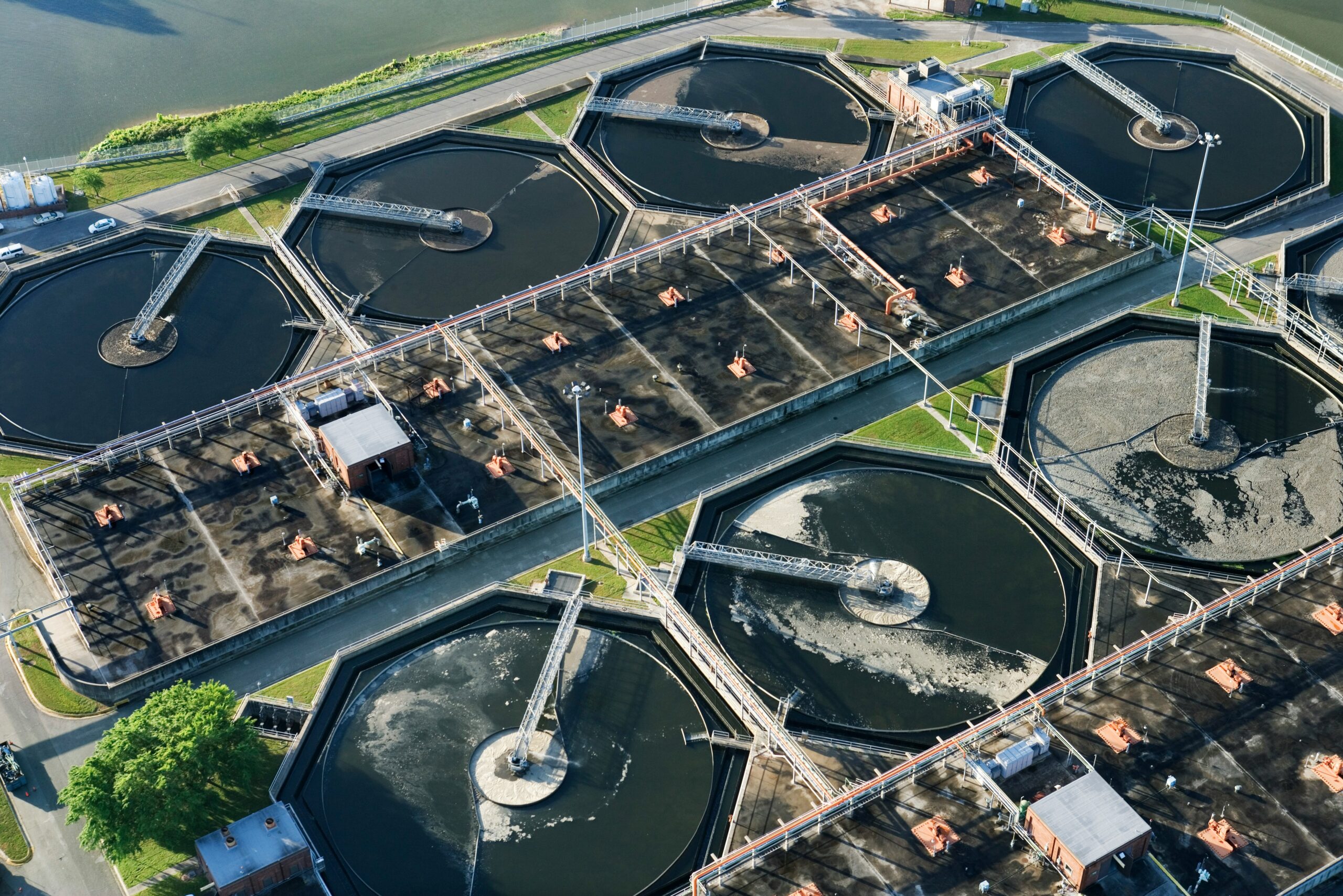
A significant aspect of water management is conservation. Reducing water waste through efficient irrigation systems, low-flow plumbing, and industrial recycling helps maintain the balance within the water cycle. Water treatment technologies are equally critical. Treating wastewater before releasing it back into rivers or reusing it for irrigation reduces pollution and keeps the hydrological system healthy.
Integrated Water Resources Management (IWRM) is a widely recognized framework that promotes the coordinated development of water, land, and related resources. It emphasizes balancing human needs with environmental protection and encourages cooperation across sectors and regions. When properly implemented, effective management under the IWRM approach supports sustainable growth, reduces conflicts, and strengthens resilience against water-related disasters.
Modern Strategies and Technologies for Water Sustainability
As global challenges grow, innovative technologies have emerged to make effective management of water resources more efficient. Innovative water systems, for example, use sensors and data analytics to detect leaks, monitor usage, and improve efficiency. Desalination plants convert seawater into potable water in regions facing severe water scarcity. Similarly, rainwater harvesting systems capture and store rainfall for household or agricultural use, helping reduce pressure on municipal supplies.
Governments and organizations are also adopting policies that encourage responsible water use. Setting limits on extraction, protecting wetlands, and promoting public education are key elements of effective management. When communities understand the value of water and take part in conservation efforts, the entire system becomes more resilient and sustainable.
A Shared Responsibility for the Future
While technology and policy play important roles, the future of water management ultimately depends on collective action. Every individual, community, and institution must recognize that water is a shared resource requiring shared responsibility. People can make a difference by practicing simple habits—fixing leaks, using water-efficient appliances, and avoiding pollution from household chemicals. Businesses can adopt sustainability standards, recycle process water, and invest in green infrastructure as part of effective management practices.
At a larger scale, governments must prioritize long-term water planning that integrates climate resilience, environmental protection, and equitable access. International cooperation is equally crucial since rivers and aquifers often cross national boundaries. Shared management agreements can prevent conflict and promote regional stability through effective management frameworks.
The water cycle is a remarkable natural system that supports all forms of life, but human influence has made its management increasingly complex. To maintain balance, society must combine scientific understanding with effective management at every level—from individual households to international policies. Effective management ensures that this renewable yet limited resource remains clean, accessible, and sufficient for future needs.