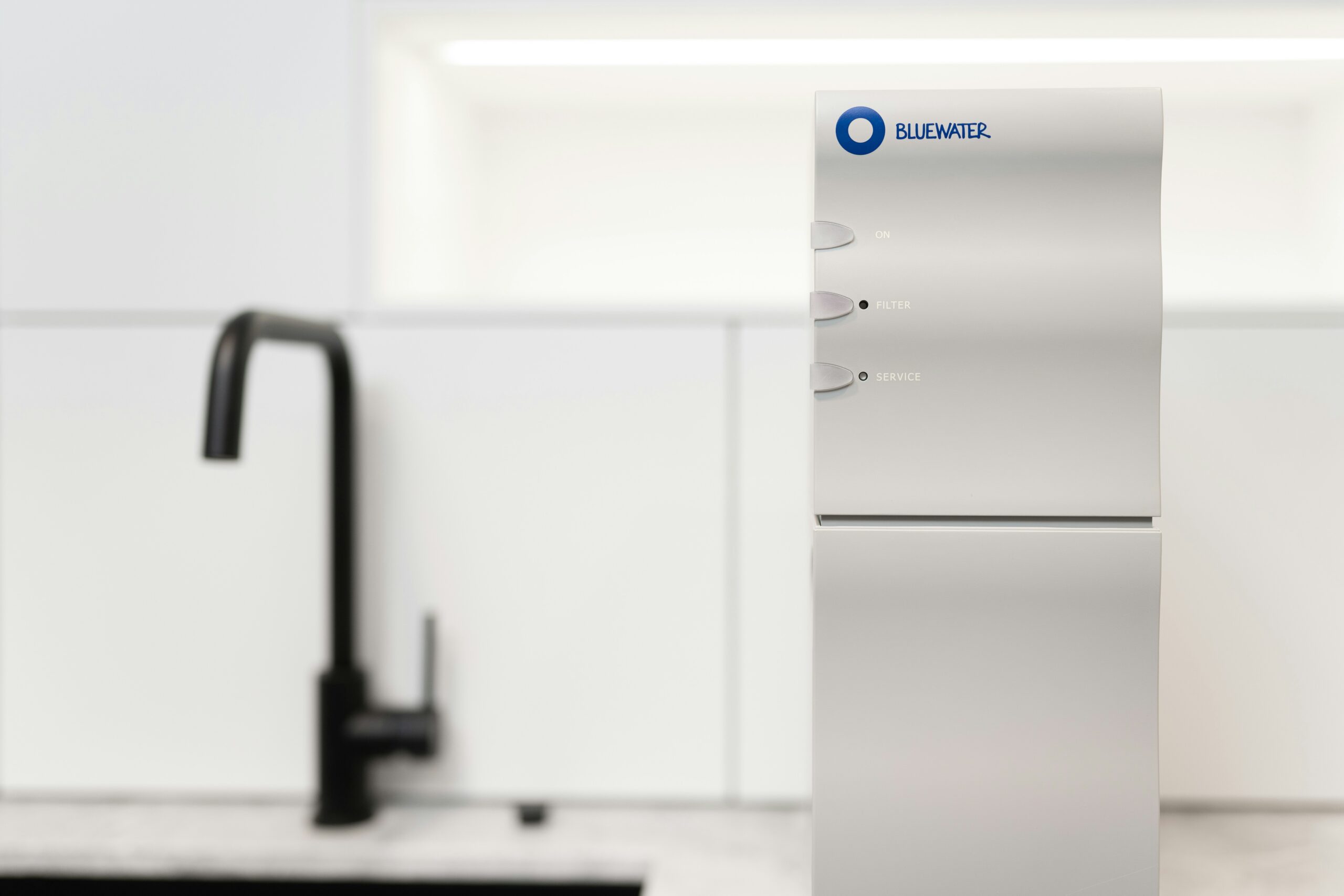
Clean water matters in every home. People use it for drinking, cooking, washing food, and making coffee or tea. When water tastes or smells off, it can disrupt daily life. Many homes now rely on water filters to improve water quality and provide peace of mind. These systems help remove unwanted elements while keeping water safe and fresh.
Home water filters come in many forms. Each type works differently and addresses different needs. Some filters focus on taste, while others target harmful substances. Understanding how these filters work makes it easier to choose the right option for your home. This guide explores the most common types used today, presented in simple, clear language.
Activated Carbon Filters in Everyday Homes
Activated carbon filters are among the most widely used home water treatment options. They work by trapping unwanted substances as water flows through the carbon surface. This process helps reduce chlorine, odors, and unpleasant tastes. Many people notice a big difference in water flavor after using this type of filter.
You often find activated carbon filters in pitchers, faucet units, and fridge systems. They are easy to install and simple to replace. These filters are suitable for homes where the primary concern is taste and odor rather than heavy contamination. While they do not remove every impurity, they provide a reliable, affordable option for daily water use.
Reverse Osmosis Systems for Deeper Filtration
Reverse osmosis systems provide a more thorough level of filtration. They push water through a fine membrane that blocks many unwanted elements. This method removes dissolved solids, metals, and other particles that basic filters may miss. Many families choose this option for drinking and cooking water.
These systems often install under the sink and connect to a separate tap. They require more space and regular maintenance. The process also uses more water than simpler filters. Even so, reverse osmosis remains popular among homeowners seeking high water purity and consistent quality.
Whole House Water Filters for Full Coverage
Whole-house water filters treat water as it enters the home. This means every tap delivers filtered water. People who worry about water quality for bathing, laundry, and dishwashing often prefer this option. It protects pipes and appliances while improving water throughout the house.
These systems usually combine different filtering methods. They handle sediment, chlorine, and other common concerns. Installation often requires planning and professional assistance. While the upfront cost may be higher, whole-house filters offer long-term convenience and broad protection for large households.
Ultraviolet Water Filters for Added Safety
Ultraviolet water filters use light to treat water. The light targets bacteria and other tiny organisms that may be present. This process does not change the taste or smell of water. It focuses on safety rather than removing particles or chemicals.
Homes that rely on private wells often use ultraviolet systems. These filters work best when paired with other filtration methods. Clear water allows the light to work more effectively. Ultraviolet filters offer peace of mind for families concerned about unseen biological risks in their water supply.
Ceramic Water Filters with Simple Design
Ceramic water filters use a solid barrier to block contaminants. Water passes through tiny pores that trap dirt, bacteria, and sediment. This method has been around for many years and remains trusted in many parts of the world. It works without electricity and needs minimal equipment.
These filters often come in countertop or gravity-fed designs. They are easy to clean and reuse. Ceramic filters are a low-tech, dependable option for households. While they may not remove chemicals, they provide strong protection against physical and biological impurities.
Choosing the Right Water Filter for Your Home
Selecting a water filter depends on your water source and daily needs. City water often requires taste improvement, while well water may need extra protection. Space, budget, and maintenance effort also play a role. Understanding your priorities helps narrow down the options.
Testing your water can offer useful insight. It reveals what needs to be filtered and what does not. No single system fits every home. The right choice balances performance, cost, and convenience. When chosen carefully, a water filter becomes a valuable part of a healthy household.
Final Thoughts on Home Water Filtration
Water filters help create a safer and more enjoyable home environment. They improve taste, reduce worry, and support daily health. With many options available, homeowners can find a solution that fits their lifestyle and water quality needs.
Learning about filter types makes the decision easier. Each system offers unique benefits and limitations. By making the right choice, you can enjoy cleaner water with confidence. A good filter is not just a product. It is an investment in everyday comfort and well-being.