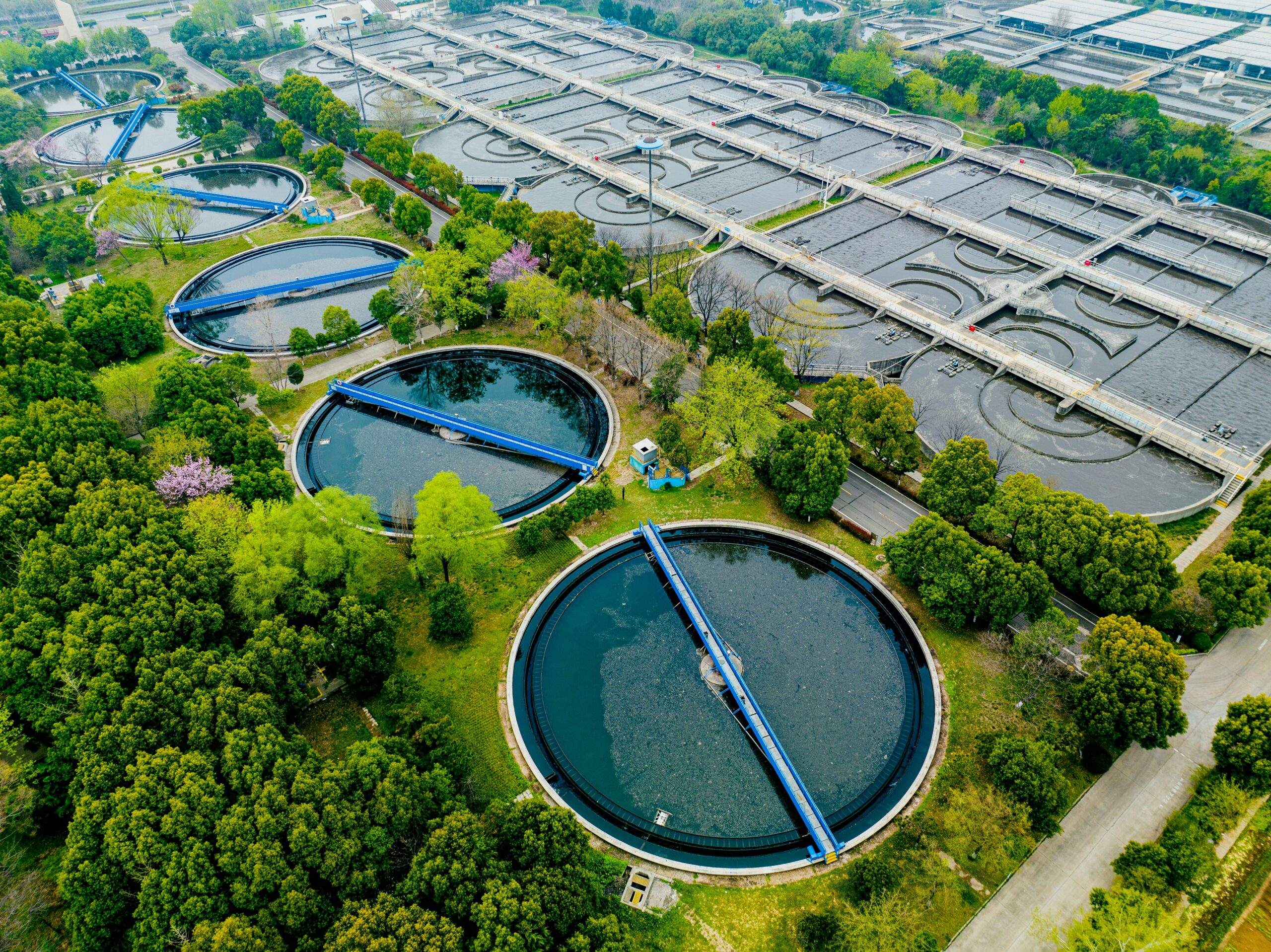
Water plays a critical role in daily business operations, yet many companies overlook the costs associated with it. By adopting water-conservation strategies, businesses can lower utility bills, improve efficiency, and build a stronger sustainability profile. At the same time, conserving water supports environmental goals while helping businesses stay competitive in a resource-conscious world.
As costs continue to rise, businesses must act smarter. Fortunately, practical strategies exist that do not require major investments. Instead, small operational changes often lead to significant savings. Therefore, companies that focus on water efficiency not only reduce expenses but also enhance long-term resilience.
Understanding Water Usage in Business Operations
Every business uses water differently, so understanding consumption patterns becomes the first step toward improvement. For example, restaurants, manufacturing plants, and office buildings all have unique needs. When businesses closely track water use, they identify waste and quickly uncover opportunities to improve efficiency.
Moreover, water audits help reveal hidden inefficiencies. Leaks, outdated fixtures, and inefficient processes often go unnoticed. However, once businesses analyze their usage data, they gain clear insights into where water goes and how to reduce unnecessary consumption. As a result, companies can make informed decisions that directly impact their bottom line.
Upgrading Fixtures and Equipment for Efficiency
Modern water-efficient fixtures offer immediate cost savings without sacrificing performance. Low-flow faucets, toilets, and showerheads significantly reduce water use while maintaining functionality. Therefore, upgrading outdated equipment remains one of the easiest ways to improve efficiency.
In addition, businesses should invest in water-efficient appliances such as dishwashers, cooling systems, and industrial machines. These upgrades may require upfront costs, yet they often pay for themselves through lower utility bills. Consequently, companies that prioritize efficient equipment enjoy both short-term savings and long-term financial benefits.
Detecting and Fixing Leaks Quickly
Leaks may seem minor at first, but they waste a surprising amount of water over time. Even a small drip can lead to higher bills and unnecessary resource loss. Therefore, businesses must regularly inspect plumbing systems and address issues immediately.
Furthermore, installing smart monitoring systems helps detect leaks early. These systems alert managers to unusual water usage, enabling quick action. As a result, businesses avoid costly damage and prevent water waste before it escalates into a bigger problem.
Implementing Water Recycling Systems
Water recycling offers an innovative way to reduce overall consumption. Many businesses reuse greywater from sinks, washing systems, or cooling processes for non-potable purposes such as irrigation or cleaning. This approach lowers water demand while maximizing resource efficiency.
Additionally, recycling systems support sustainability goals. Companies that adopt these practices reduce their environmental impact and often qualify for incentives or rebates. Therefore, water recycling not only saves money but also strengthens a company’s commitment to responsible resource management.
Training Employees on Water Conservation Practices
Employees play a key role in successful conservation efforts. When staff understand the importance of saving water, they become active participants in reducing waste. Simple habits, such as turning off taps and reporting leaks, make a noticeable difference over time.
Moreover, businesses should provide regular training and clear guidelines. Awareness campaigns, signage, and incentives encourage employees to adopt better practices. As a result, companies create a culture of conservation that supports long-term efficiency and cost savings.
Optimizing Landscaping and Outdoor Water Use
Outdoor water use often accounts for a large portion of business consumption, especially for properties with landscaping. However, businesses can reduce water use by choosing drought-resistant plants and installing efficient irrigation systems. These changes maintain visual appeal while lowering water demand.
In addition, smart irrigation technology helps control watering schedules based on weather conditions. This prevents overwatering and ensures plants receive only what they need. Consequently, businesses cut costs while maintaining attractive outdoor spaces that reflect environmental responsibility.
Monitoring and Managing Water Usage with Technology
Technology provides powerful tools for improving water management. Smart meters and monitoring systems track usage in real time, allowing businesses to identify trends and adjust practices quickly. Therefore, companies gain better control over their water consumption.
Furthermore, data-driven insights help businesses set realistic goals and measure progress. By analyzing usage patterns, managers can pinpoint inefficiencies and implement targeted solutions. As a result, businesses continuously improve their operations and achieve sustainable savings over time.
Partnering with Sustainability Programs and Incentives
Many local governments and organizations offer programs that support water conservation efforts. These initiatives often include rebates, tax incentives, or technical assistance for businesses that adopt efficient practices. Therefore, companies should explore available opportunities to maximize savings.
In addition, partnerships with sustainability programs enhance a company’s reputation. Customers and stakeholders increasingly value environmentally responsible businesses. Consequently, participating in conservation initiatives not only reduces costs but also strengthens brand image and customer trust.
Long-Term Financial and Environmental Benefits
The financial benefits of water conservation extend far beyond immediate savings. Reduced utility bills, lower maintenance costs, and improved operational efficiency all contribute to stronger financial performance. Therefore, businesses that invest in conservation strategies build a more stable future.
At the same time, environmental benefits create lasting value. Conserving water helps protect natural resources and reduces the strain on local water systems. As a result, businesses that adopt water conservation strategies position themselves as sustainability leaders while securing long-term success.
Adopting water conservation strategies for businesses offers a practical path to saving money while improving operational efficiency. Companies that take proactive steps today will not only reduce costs but also strengthen their sustainability efforts for the future. By combining smart technology, employee engagement, and efficient systems, businesses can achieve meaningful results that benefit both their finances and the environment.