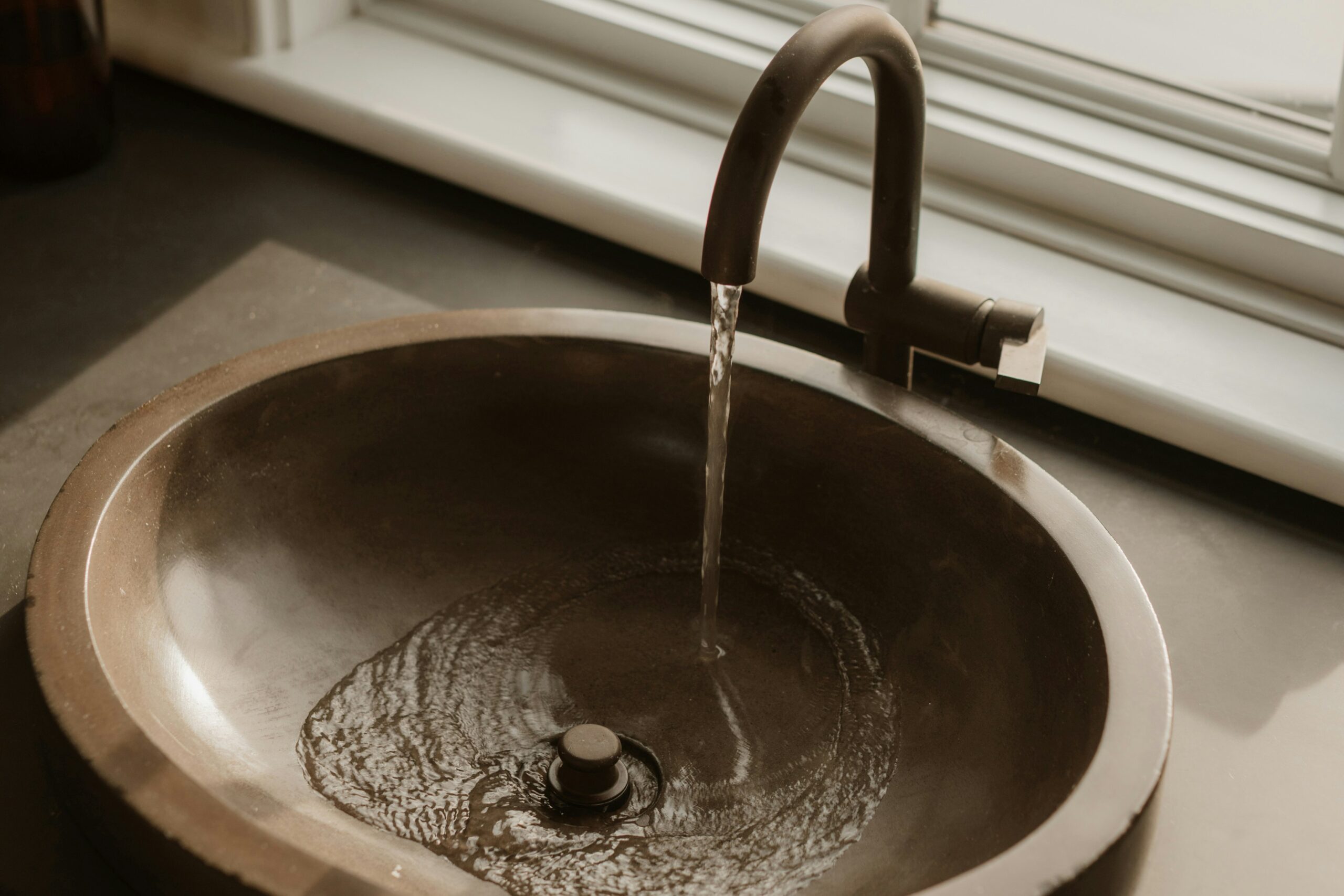
Water is part of almost everything we do at home. We use it to cook, clean, wash clothes, take showers, care for plants, and keep our homes healthy. Because water feels easy to get, many people do not think about how much they use each day. Still, small habits can waste many gallons over time. The good news is simple. There are many simple ways to conserve water at home without making life hard.
Conserving water does not mean giving up comfort. It means using water with care. A few smart changes can lower your water bill, reduce waste, and help protect local water supplies. These steps can also teach kids and family members to value water more. When every person in a home makes small changes, the results can grow fast.
Start With Daily Habits
The best place to begin is with simple daily habits. Many homes waste water because people leave taps running. This can happen while brushing teeth, washing hands, shaving, or rinsing dishes. Turning off the tap when water is not needed is one of the easiest simple ways to conserve water at home.
For example, wet your toothbrush, turn off the faucet, brush your teeth, and then turn it back on to rinse. The same idea works when washing your face or shaving. These small pauses may not seem like much, but they add up over weeks and months.
It also helps to talk with everyone in the home. Kids can learn to turn off taps fully. Adults can check sinks and showers after use. A home saves more water when each person takes part.
Fix Leaks Before They Grow
Leaks are silent water wasters. A small drip from a faucet may look harmless, but it can waste a lot of water over time. A running toilet can waste even more. Fixing leaks is one of the most important simple ways to conserve water at home.
Check faucets, showerheads, pipes under sinks, and toilets. Listen for running water after a toilet has been flushed. Look for water stains, damp spots, or puddles near pipes. These signs may mean there is a leak.
Some leaks are easy to fix with a new washer or a small part. Others may need a plumber. It is better to fix leaks early because they can raise water bills and damage your home. A quick repair can save water and prevent bigger problems later.
Use Less Water in the Bathroom
The bathroom is one of the main places where water is used at home. Showers, toilets, sinks, and baths all use water every day. One helpful step is to take shorter showers. Even cutting a shower by a few minutes can save water.
You can also install a low-flow showerhead. This helps reduce water use while still giving a good shower. Many newer models feel strong but use less water. This makes them a smart choice for families that want simple ways to conserve water at home.
Toilets can also waste water if they are old or leaking. A water-saving toilet can reduce the amount used per flush. If replacing a toilet is not possible, check that the current toilet works well. Do not use the toilet as a trash can. Each extra flush uses water that could have been saved.
Make Kitchen Water Use Smarter
The kitchen gives many chances to save water. Start by changing how you wash dishes. Do not let the faucet run the whole time. Fill one side of the sink with soapy water and use the other side for rinsing. If you use a dishwasher, run it only when it is full.
Scraping plates before washing also helps. You do not need to rinse every dish for a long time before loading the dishwasher. Most modern dishwashers can clean dishes well after light scraping.
When washing fruits and vegetables, use a bowl of water instead of running the tap. After that, use the leftover water for plants. This is one of the simple ways to conserve water at home that also reduces waste in the kitchen.
Keep a pitcher of drinking water in the refrigerator. This stops people from running the tap and waiting for cold water. It is a small habit, but it can save water every day.
Save Water While Doing Laundry
Laundry can use a large amount of water, especially in busy homes. The first rule is to wash full loads when possible. Running the washer for only a few items wastes both water and energy. If your machine has load size settings, choose the right setting for each load.
A high-efficiency washing machine can also help. These machines use less water than many older models. They can also clean clothes well with less detergent. If you are buying a new washer, look for one that is made to save water and energy.
You can also wear some clothes more than once before washing them, as long as they are not dirty or sweaty. Towels can often be used more than one time before laundry day. These simple choices reduce water use and make laundry easier.
Water Plants the Right Way
Outdoor water use can be high, especially in warm months. Lawns, gardens, and potted plants all need care, but they do not need waste. Watering early in the morning or later in the evening is best. Less water is lost to heat during these times.
Use a watering can or a drip system instead of spraying water everywhere. These methods send water closer to the roots. Plants can use the water better, and less is lost on sidewalks or driveways.
Choose plants that match your local climate. Some plants need less water and still look beautiful. Mulch can also help soil hold moisture. This means plants stay healthy with less watering.
Rain barrels can collect rainwater from gutters. You can use this water for gardens and outdoor plants. This is one of the simple ways to conserve water at home that works well for people with yards.
Clean Outdoor Areas Without Waste
Many people use a hose to clean driveways, patios, and sidewalks. This can waste a lot of water. A broom is often enough to remove dirt, leaves, and dust. Sweeping first can save water and still keep outdoor spaces neat.
When washing a car at home, use a bucket instead of leaving the hose running. Rinse only when needed. A hose nozzle with a shutoff handle can also help because water stops when you are not using it.
Check outdoor faucets and hoses for leaks. A small leak outside may go unnoticed for a long time. Make sure hose connections are tight. Replace damaged hoses or washers when needed.
Build a Water-Saving Mindset
The most lasting change comes from the way people think about water. Water conservation works best when it becomes a normal part of daily life. You do not need to make every change at once. Start with one or two habits, then add more over time.
Place small reminders near sinks if needed. Teach children why saving water matters. Make it a family goal to lower water waste. You can even compare water bills each month to see if your efforts are working.
Simple ways to conserve water at home are not hard to follow. They often come down to paying attention. Turn off taps, fix leaks, use full loads, water plants wisely, and avoid waste outside. Each step may seem small, but together they can make a real difference.
Conserving water helps your home, your budget, and your community. It protects a resource that every person needs. With steady habits and smart choices, any family can use less water while still living well.