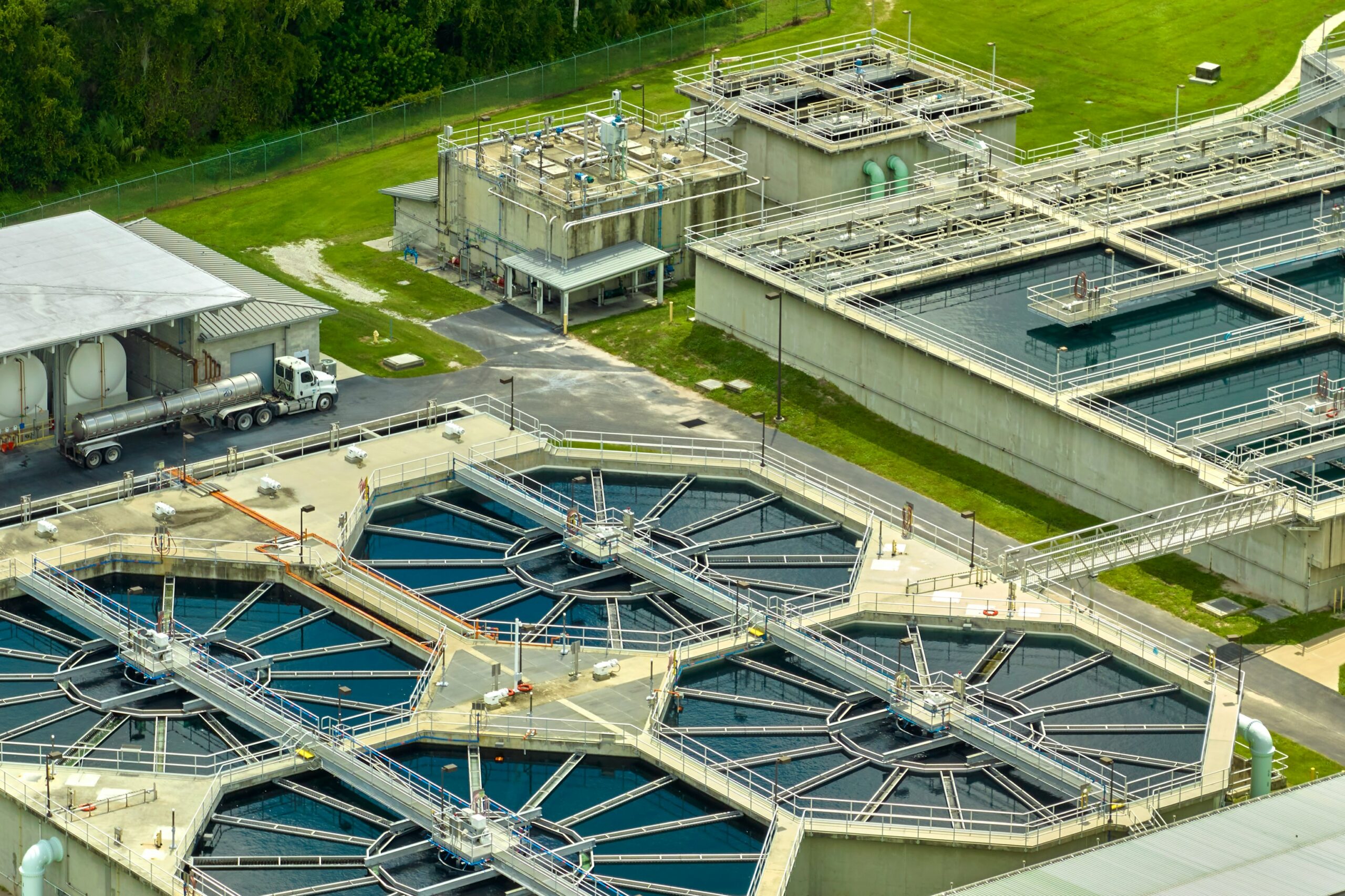
Water infrastructure supports daily life by moving clean water to homes, businesses, hospitals, schools, and public facilities. However, pipes, pumps, valves, storage tanks, and treatment systems gradually wear down. Therefore, utilities must inspect and maintain these assets before small defects interrupt service. Responsible maintenance keeps water flowing consistently and reduces the chance of sudden failures.
Moreover, reliable service depends on more than just repairing equipment after it breaks down. Utilities must monitor system performance, replace aging parts, and schedule preventive work throughout the year. Consequently, maintenance teams can identify weak areas before customers experience low pressure, contamination concerns, or complete outages. This proactive approach protects communities from avoidable disruptions.
Preventing Costly Emergency Repairs
Emergency repairs usually cost more than planned maintenance because utilities must respond quickly, hire additional crews, and purchase materials under pressure. For example, a major pipe break may damage roads, buildings, or nearby utilities. Therefore, regular inspections and timely replacements help organizations avoid expensive crises and use public funds more effectively.
In addition, preventive maintenance allows managers to schedule work during periods of lower demand. Crews can prepare equipment, coordinate traffic control, and notify customers in advance. As a result, they complete repairs more safely and efficiently. Planned maintenance also reduces overtime expenses and limits the financial impact of emergency service contracts.
Protecting Public Health
A well-maintained water system plays a direct role in protecting public health. Cracked pipes, damaged storage tanks, and failing treatment equipment can create pathways for harmful substances to enter the supply. Therefore, utilities must repair leaks, maintain proper pressure, and keep treatment systems operating within safe limits.
Furthermore, maintenance teams must clean tanks, test valves, inspect pumps, and monitor water quality throughout the distribution network. These actions help prevent bacteria, sediment, and other contaminants from affecting customers. Consequently, responsible maintenance supports safe drinking water and strengthens public confidence in the utility.
Reducing Water Loss
Aging infrastructure can waste enormous amounts of treated water through hidden leaks and damaged connections. Although some breaks appear at the surface, many remain underground for months or years. Therefore, utilities need leak-detection programs, pressure monitoring, and routine inspections to locate losses early.
Moreover, reducing leaks saves more than water. Utilities spend energy and money to collect, treat, pump, and distribute every gallon. When water escapes before reaching a customer, the organization loses both resources and revenue. As a result, effective maintenance improves financial performance while protecting limited freshwater supplies.
Extending the Life of Valuable Assets
Water infrastructure requires significant investment, so utilities must protect equipment for as long as possible. Pumps, treatment units, meters, and storage facilities can operate for many years when teams clean, lubricate, test, and repair them regularly. Therefore, responsible maintenance helps organizations gain greater value from every capital purchase.
Additionally, routine care can reveal whether an asset needs adjustment, rehabilitation, or replacement. Managers can then make informed decisions instead of replacing equipment too early or allowing it to fail unexpectedly. Consequently, asset-management programs help utilities balance long-term performance with responsible spending.
Supporting Energy Efficiency
Water systems consume large amounts of energy, especially when pumps move water across long distances or to higher elevations. However, worn equipment, blocked pipes, and poor pressure control can increase energy use. Therefore, maintenance teams should inspect pumps, motors, valves, and control systems to ensure they operate efficiently.
Furthermore, fixing leaks reduces the amount of water that utilities must treat and pump. When the system moves only the water customers need, it uses less electricity and lowers operating costs. As a result, responsible maintenance supports both environmental goals and stronger financial management.
Improving Emergency Preparedness
Natural disasters, extreme weather, and equipment failures can place sudden pressure on water infrastructure. Therefore, utilities must maintain backup pumps, generators, emergency connections, and communication systems. Regular testing ensures that this equipment works when the community needs it most.
In addition, updated maintenance records help emergency teams understand system conditions and quickly identify critical assets. Crews can respond faster when they know the location, age, and repair history of each component. Consequently, strong maintenance programs improve resilience and shorten recovery times after emergencies.
Protecting Roads and Property
Water main breaks can damage streets, sidewalks, foundations, and nearby buildings. Escaping water may weaken soil, create sinkholes, or flood private property. Therefore, replacing deteriorated pipes before they fail can prevent costly damage and reduce safety risks.
Moreover, planned maintenance limits disruption to traffic and local businesses. Utilities can coordinate road closures, establish detours, and complete repairs under controlled conditions. As a result, communities experience fewer unexpected hazards and lower repair costs for surrounding infrastructure.
Strengthening Customer Trust
Customers expect utilities to provide safe and dependable service. However, repeated outages, discolored water, and emergency repairs can weaken public confidence. Therefore, responsible maintenance demonstrates that the organization takes reliability and customer needs seriously.
Additionally, clear communication improves the public’s understanding of maintenance work. Utilities should explain planned outages, project timelines, and the benefits of system upgrades. Consequently, customers are more likely to support necessary investments when they understand how maintenance protects water quality and service.
Guiding Smart Capital Planning
Maintenance records provide valuable information about the condition of water infrastructure. Utilities can review repair frequency, failure history, and operating costs to determine which assets require attention. Therefore, accurate records help managers prioritize projects based on risk rather than guesswork.
Furthermore, long-term planning allows organizations to spread major expenses across several budget years. Instead of reacting to repeated failures, utilities can replace aging assets in a structured order. As a result, communities receive more predictable service while leaders make better use of limited funds.
Supporting Regulatory Compliance
Water utilities must follow strict rules for treatment, storage, distribution, and water quality. Poor maintenance can lead to equipment failures or operating conditions that violate these requirements. Therefore, utilities must carefully document inspections, repairs, testing, and preventive work.
Moreover, complete maintenance records help organizations demonstrate compliance during reviews and audits. They also show that staff members responded appropriately to identified risks. Consequently, responsible maintenance reduces legal exposure and supports transparent, accountable operations.
Developing a Skilled Workforce
Effective maintenance depends on trained employees who understand mechanical systems, water quality, safety procedures, and modern technology. Therefore, utilities must invest in ongoing education and hands-on training. Skilled workers can recognize warning signs and complete repairs correctly the first time.
In addition, experienced employees provide valuable knowledge about older infrastructure that may not appear in digital records. Utilities should capture this knowledge through updated maps, procedures, and mentoring programs. As a result, organizations can maintain continuity as senior workers retire and new employees join the team.
Using Technology for Better Maintenance
Modern technology can improve how utilities monitor and maintain infrastructure. Sensors, smart meters, geographic information systems, and automated alerts can reveal leaks, pressure changes, and equipment problems. Therefore, teams can focus on areas that require immediate attention.
Furthermore, digital asset-management systems help utilities track inspections, work orders, costs, and replacement schedules. Managers can analyze this information and identify patterns across the network. Consequently, technology supports faster decisions and more efficient maintenance planning.
Building Sustainable Water Systems
Responsible maintenance helps communities protect water resources, reduce costs, and prepare for future demand. By preventing leaks, improving efficiency, and extending asset life, utilities create stronger and more sustainable systems. Moreover, regular care reduces the environmental impact of emergency construction and wasted treated water.
Ultimately, water infrastructure cannot remain reliable without consistent attention and investment. Utilities must combine preventive maintenance, skilled employees, accurate records, modern technology, and clear planning. Therefore, responsible maintenance remains one of the most important steps a community can take to protect public health, financial stability, and long-term water security.