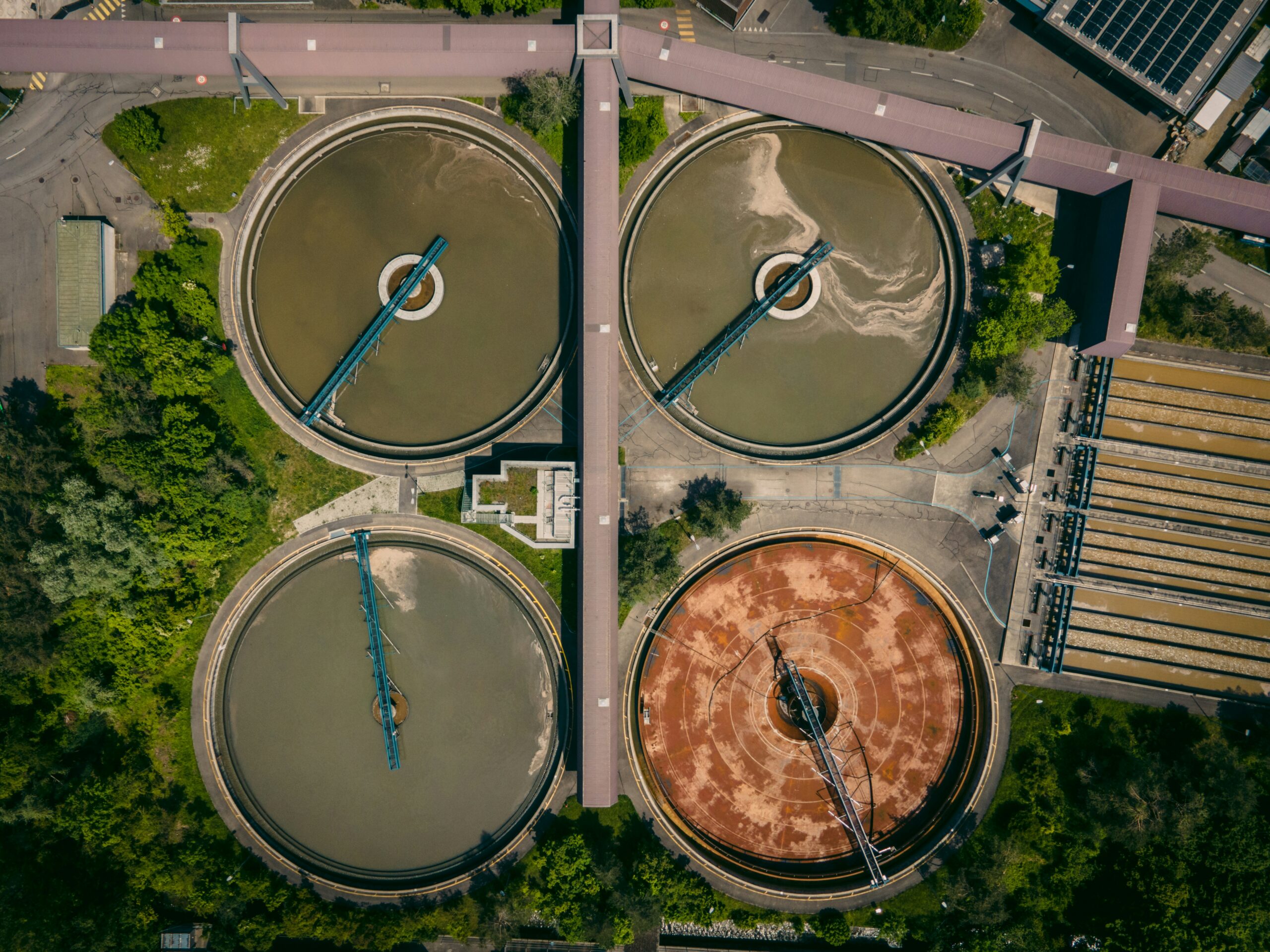
Industrial facilities depend on water more than most people realize. From manufacturing and cooling systems to cleaning and processing, water supports almost every stage of production. However, untreated or poorly managed water can damage equipment, reduce efficiency, and increase environmental risks. That is why strong treatment practices matter for both performance and compliance.
To achieve safe and efficient operations, companies must follow structured methods that improve water quality, reduce waste, and optimize system performance. In this article, we will explore the best practices for industrial water treatment in a clear, practical way.
Understanding Water Needs in Industrial Operations
Every industry uses water differently, so the first step is understanding specific requirements. For example, food processing plants need high purity levels, while power plants focus more on cooling efficiency. Therefore, one standard approach does not fit all situations.
When companies analyze their water usage patterns, they can identify inefficiencies early. As a result, they can design treatment systems that more accurately match operational needs. In addition, this assessment helps reduce unnecessary treatment costs and energy use.
Transitioning from general use to targeted planning allows industries to improve both performance and sustainability simultaneously.
Conducting Regular Water Quality Testing
Water quality testing plays a central role in industrial systems. Without consistent testing, contaminants can build up unnoticed and damage equipment over time. Therefore, companies must monitor key indicators such as pH levels, hardness, turbidity, and microbial content.
Moreover, frequent testing helps identify issues before they become serious. For instance, early detection of scaling or corrosion allows maintenance teams to act quickly. In many cases, this prevents costly shutdowns and extends equipment life.
In addition, digital monitoring systems now enable real-time tracking, significantly improving accuracy and response time. As a result, facilities can maintain better control over water quality throughout operations.
Choosing the Right Filtration and Treatment Methods
Selecting the correct treatment method is essential for achieving clean and usable water. Different contaminants require different solutions. For example, sediment filters remove solid particles, while chemical treatments address biological or mineral impurities.
Reverse osmosis systems often help industries that require high-purity water. Meanwhile, carbon filtration works well for removing organic compounds and odors. Therefore, companies must evaluate water composition before selecting equipment.
Transitioning to the right combination of methods improves efficiency and reduces unnecessary chemical usage. In addition, proper selection lowers long-term maintenance costs and improves system reliability.
Improving Chemical Dosing Accuracy
Chemical treatment remains an important part of industrial water management. However, incorrect dosing can cause serious problems. Overdosing increases costs and may harm equipment, while underdosing reduces treatment effectiveness.
To avoid these issues, companies must use precise dosing systems. Automated controllers help maintain accurate chemical levels based on real-time data. Furthermore, operators should regularly calibrate equipment to ensure consistent performance.
As a result, facilities achieve a better balance in water treatment while reducing chemical waste. In addition, accurate dosing supports environmental compliance and workplace safety.
Preventing Scale, Corrosion, and Biofouling
Scaling, corrosion, and biofouling remain major challenges in industrial water systems. These issues reduce efficiency and increase maintenance costs if not managed properly.
To prevent scaling, companies often control water hardness and use anti-scaling agents. Similarly, corrosion control requires proper pH balance and protective coatings on equipment. Meanwhile, biofouling control depends on microbial management through filtration and disinfection.
Because these problems often develop gradually, regular inspection plays a key role. In addition, combining mechanical and chemical solutions provides stronger long-term protection.
Enhancing Energy Efficiency in Treatment Systems
Energy consumption accounts for a large share of industrial water treatment costs. Therefore, improving efficiency directly reduces operational expenses. For instance, modern pumps and variable speed drives adjust energy use based on demand.
In addition, heat recovery systems help reuse thermal energy from treated water. This approach reduces waste and improves overall system performance. Transitioning to energy-efficient equipment also supports sustainability goals.
As industries upgrade their systems, they often notice lower utility costs and improved productivity. Moreover, efficient systems reduce environmental impact, which strengthens regulatory compliance.
Recycling and Reusing Process Water
Water reuse has become one of the most effective strategies in modern industries. Instead of discarding used water, companies can treat and reuse it for non-critical processes such as cooling or cleaning.
This approach reduces freshwater demand significantly. Furthermore, it supports long-term sustainability goals by minimizing wastewater discharge. Many facilities now integrate closed-loop systems to maximize reuse opportunities.
In addition, recycling water reduces pressure on local water supplies. As a result, industries not only save money but also support environmental conservation efforts in surrounding communities.
Ensuring Compliance with Environmental Regulations
Industrial water treatment must meet strict environmental standards. Regulatory bodies set limits on discharge quality to protect ecosystems and public health. Therefore, companies must stay up to date on compliance requirements.
Regular audits and documentation help maintain transparency. Moreover, automated monitoring systems make reporting more accurate and efficient. When companies follow regulations closely, they avoid fines and operational disruptions.
In addition, compliance builds trust with stakeholders and improves corporate reputation. Transitioning from reactive compliance to proactive management creates a more stable operational environment.
Training Staff for Better System Management
Even the best equipment cannot perform well without skilled operators. Therefore, staff training plays a vital role in the success of water treatment. Employees must understand system operations, safety procedures, and maintenance routines.
Regular training sessions improve response time during system changes or emergencies. Furthermore, well-trained staff can identify issues early and take corrective action before problems escalate.
In addition, continuous learning helps teams adapt to new technologies and treatment methods. As a result, facilities maintain higher efficiency and reduce operational risks.
Effective industrial water treatment requires a combination of planning, technology, and skilled management. When companies understand their water needs, test regularly, and apply the right treatment methods, they improve both performance and sustainability.
Moreover, practices like energy optimization, water recycling, and staff training strengthen long-term efficiency. In addition, strong compliance ensures safe and responsible operations.
As industries continue to grow, water management will become even more important. Therefore, adopting these best practices today helps build a more efficient, cost-effective, and environmentally responsible future.