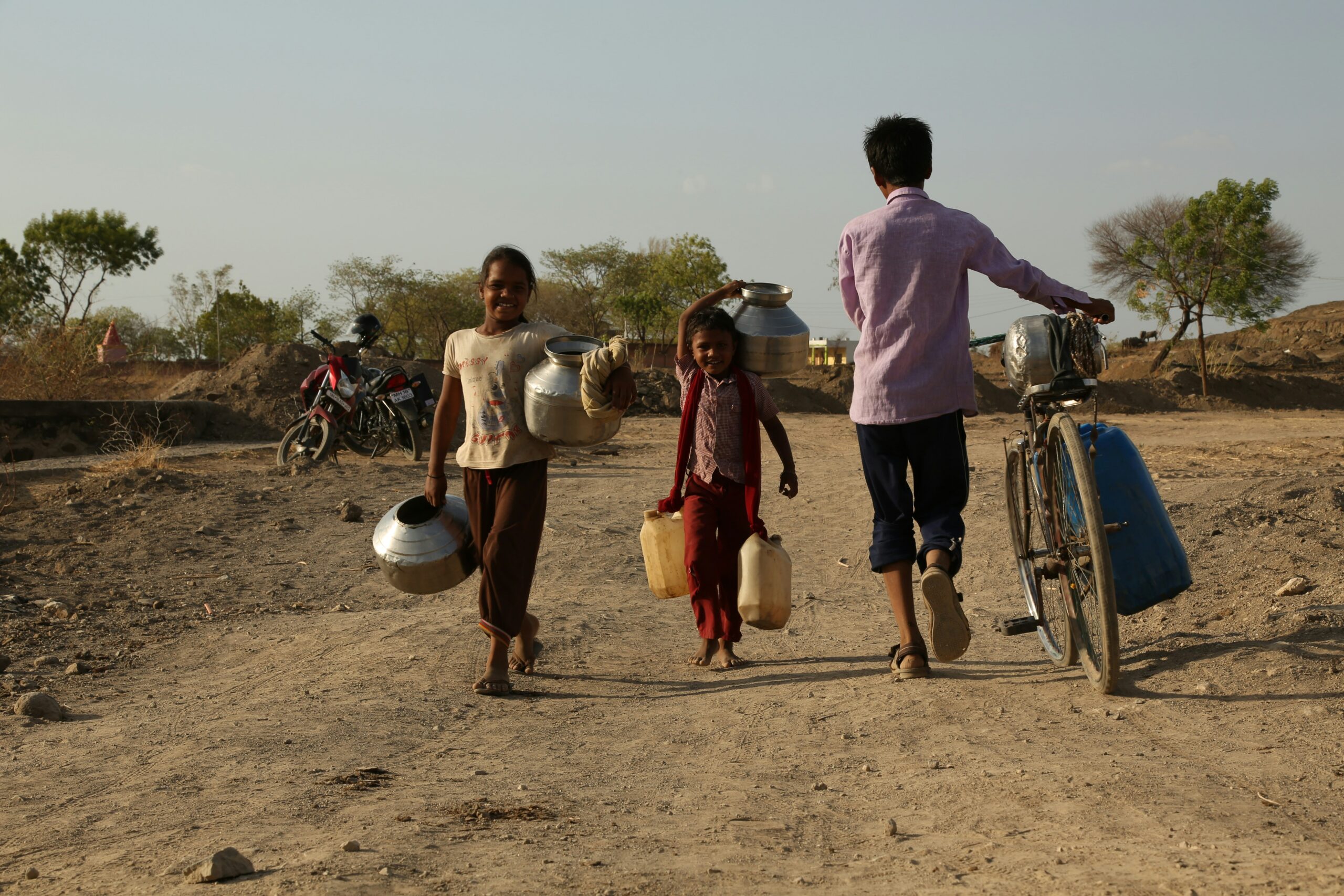
Climate change is altering how water moves around the planet. Some regions now face longer droughts, while others receive intense rainfall and severe flooding. These changes make water supplies less reliable for homes, farms, businesses, and communities. As temperatures continue to rise, access to clean and safe water is becoming harder in many parts of the world.
Water is essential for life, food production, public health, and economic growth. Yet climate change is placing growing pressure on rivers, lakes, groundwater, glaciers, and rainfall patterns. The result is a global water crisis that affects both wealthy and developing nations. Understanding how climate change affects water can help communities prepare for future risks and protect this vital resource.
Rising Temperatures Increase Water Loss
Higher temperatures cause more water to evaporate from lakes, rivers, reservoirs, and soil. This process reduces the amount of water available for people, farming, and wildlife. During long periods of heat, the loss can become severe. Reservoirs may fall below normal levels, while rivers may carry less water than communities need.
Hot weather also dries out the soil faster. Farmers then need more irrigation to keep crops healthy. This increases demand at the same time that water supplies are shrinking. In areas that already struggle with limited rainfall, rising temperatures can make water shortages much worse.
Droughts Are Becoming More Severe
Climate change can increase the length and strength of droughts in many regions. A drought develops when an area receives less rain than normal for a long period. As temperatures rise, dry conditions can intensify because heat removes moisture from the land more quickly.
Long droughts can reduce drinking water supplies and damage agriculture. Wells may dry up, rivers may shrink, and groundwater levels may fall. Communities often respond by using even more underground water, which can create additional problems in the future. When groundwater takes years or decades to recover, water shortages can continue long after a drought ends.
Changing Rainfall Patterns Reduce Water Reliability
Climate change does not simply reduce rainfall everywhere. Instead, it changes when, where, and how rain falls. Some places may receive less rain over the year, while others may experience short periods of extremely heavy rainfall. These changes make water planning more difficult.
Steady rainfall helps refill rivers, lakes, and underground water sources. Heavy storms often deliver too much water too quickly. Much of the rain runs across the ground instead of soaking into the soil. This means an area can experience dangerous flooding and still face water shortages later in the year.
Melting Glaciers Threaten Freshwater Supplies
Glaciers store large amounts of freshwater and release it slowly as they melt. Millions of people depend on glacier-fed rivers for drinking water, farming, and electricity. Rising global temperatures are causing glaciers in many mountain regions to shrink.
At first, faster melting may increase river flow. Over time, however, smaller glaciers hold less water. This can reduce the amount of freshwater available during dry seasons. Communities that depend heavily on glacier water may face serious shortages as these frozen reserves continue to disappear.
Flooding Can Contaminate Clean Water
Climate change can increase the risk of heavy rainfall and flooding in many areas. Floodwater can damage water treatment systems, wells, pipes, and sanitation facilities. It can also carry sewage, chemicals, waste, and harmful bacteria into water supplies.
Contaminated water creates major health risks. People may lose access to safe drinking water after a flood, even when large amounts of water surround them. Diseases linked to dirty water can spread quickly, especially in crowded areas with limited medical services. This makes flooding both a water supply problem and a public health concern.
Agriculture Faces Growing Water Pressure
Agriculture uses a large share of the world’s freshwater. Farmers need reliable water to grow crops and support livestock. Climate change is making that supply less predictable. Higher temperatures increase crop water needs, while droughts and changing rainfall can reduce available water.
Water shortages can lower crop yields and increase food prices. Farmers may also pump more groundwater to protect their harvests. If pumping happens faster than natural rainfall can refill underground supplies, water levels continue to fall. This can threaten both agriculture and nearby communities that depend on the same water source.
Groundwater Supplies Are Under Greater Stress
Groundwater acts as an important backup source when rivers and reservoirs run low. Many cities, farms, and rural communities depend on underground water every day. Climate change can reduce the amount of water that naturally returns to these underground supplies.
During droughts, people often increase groundwater pumping. This can cause wells to become deeper and more expensive to operate. In some areas, excessive pumping can also cause the ground to sink. Protecting groundwater is becoming more important as surface water becomes less dependable.
Sea Level Rise Threatens Coastal Freshwater
Rising sea levels can push saltwater into freshwater sources near coastlines. This process can affect underground water, rivers, and wells. Once salt enters a freshwater supply, the water may become unsafe for drinking or farming without expensive treatment.
Coastal communities and small islands face some of the greatest risks. Many of these places have limited freshwater sources and little room to develop new supplies. As sea levels continue to rise, saltwater intrusion could make clean water harder to access and force communities to search for costly alternatives.
Water Shortages Can Increase Social and Economic Problems
A lack of reliable water affects much more than daily drinking needs. Businesses require water for production, energy systems need water for cooling, and communities need water for sanitation and public services. When supplies become limited, economic activity can slow, and living costs can rise.
Water stress can also increase competition between cities, farmers, industries, and regions. In serious cases, families may leave their homes because they can no longer find enough water or support their livelihoods. Climate change can therefore exacerbate existing social and economic pressures, especially in areas with weak water systems.
Protecting Water Resources Requires Early Action
Communities can reduce water risks by improving how they collect, store, use, and protect freshwater. Repairing leaking pipes, improving irrigation, protecting wetlands, and using water more efficiently can help reduce waste. Cities can also collect rainwater and reuse treated wastewater for certain purposes.
Long-term solutions also require action on climate change itself. Reducing greenhouse gas emissions can limit future warming and slow many of the changes that are affecting water systems. At the same time, governments and communities need to prepare for conditions that are already changing. Strong water planning can help people adapt while protecting supplies for future generations.
Protecting water resources will require better management, stronger infrastructure, and serious efforts to reduce climate change. Every region faces different risks, but the need for reliable freshwater is universal. Taking action now can help communities reduce future shortages and build a safer, more secure water future.