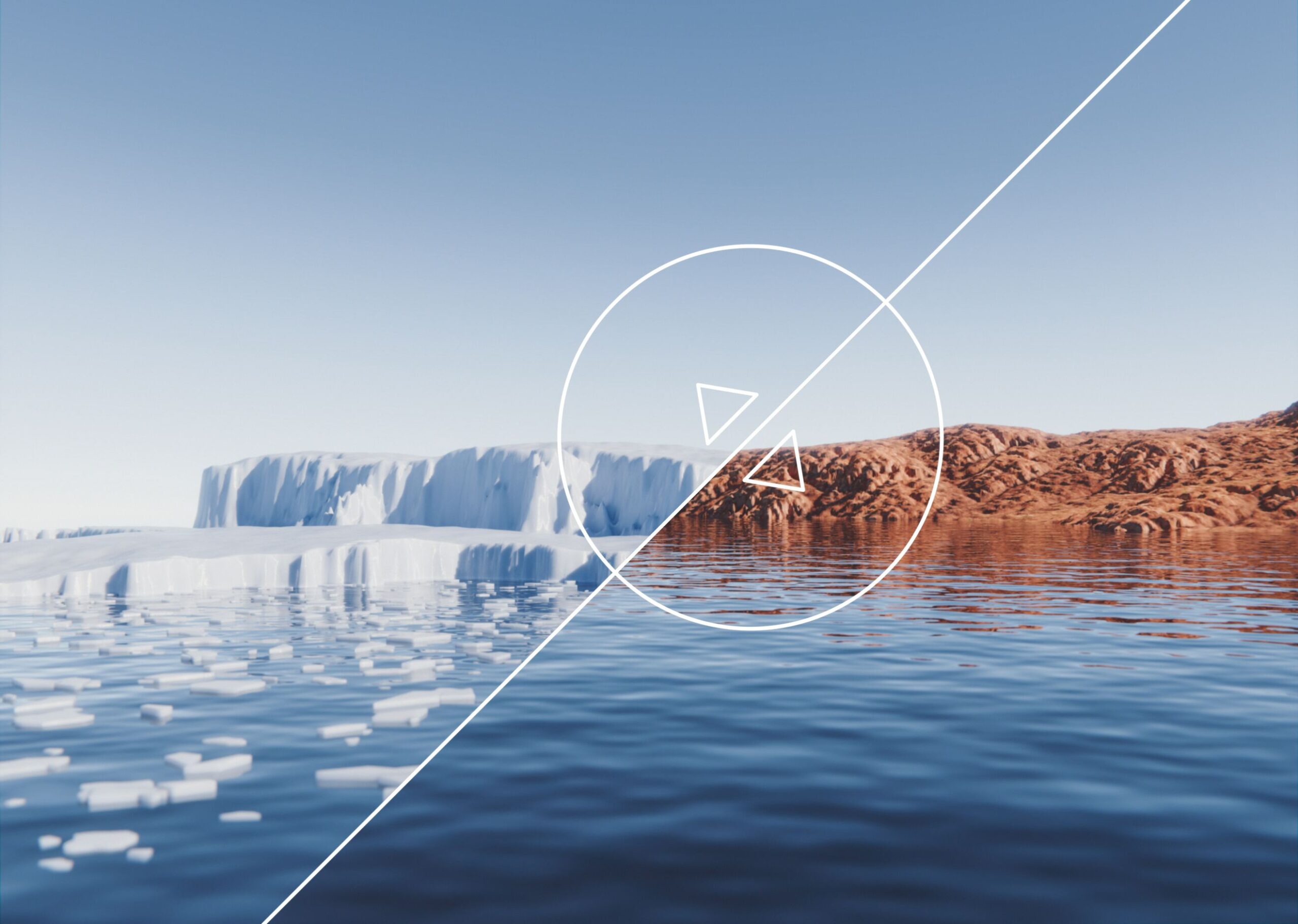
Climate change affects nearly every part of the natural world, but its impact on water resources stands among the most serious challenges. Water supports human health, agriculture, industry, and healthy ecosystems. As global temperatures rise, changes in rainfall, evaporation, and weather patterns threaten freshwater availability and quality. These changes affect communities worldwide and create new challenges for managing essential water supplies.
Understanding how climate change impacts water resources helps people recognize the importance of protecting freshwater. Rising temperatures, longer droughts, stronger storms, and melting glaciers all influence where water flows and how much remains available. Although these problems vary by region, they share a common cause. A warming climate disrupts natural water systems and makes it harder to maintain reliable water supplies.
Rising Temperatures Increase Water Evaporation
Higher temperatures speed up evaporation from lakes, rivers, reservoirs, and soil. As the atmosphere warms, it can hold more moisture. This process changes how water moves through the environment. Regions that already experience hot weather may lose more surface water during dry seasons. Increased evaporation can reduce the freshwater available to households, farms, and businesses.
Warmer conditions also increase the amount of water plants release into the atmosphere. Combined with soil evaporation, this process can leave the ground dry even when rainfall stays near normal. Farmers may need additional irrigation to keep crops healthy. Meanwhile, water managers must balance growing demand with shrinking supplies. These pressures make careful water planning increasingly important.
Changing Rainfall Patterns Disrupt Freshwater Supplies
Climate change affects when, where, and how much rain falls. Some regions experience heavier rainfall, while others face longer dry periods. These shifts make traditional water management methods less reliable. Communities that once depended on predictable seasonal rainfall may struggle to collect enough water. Changes in rainfall can also affect rivers, lakes, and underground water supplies that support daily life.
Heavy rainfall does not always solve water shortages. When rain falls too quickly, much of it runs across the ground instead of soaking into the soil. This runoff can cause flooding and carry pollutants into nearby waterways. In contrast, gentle rainfall often allows more water to enter the ground. As rainfall becomes less predictable, communities need better ways to capture, store, and protect freshwater.
Longer Droughts Threaten Water Availability
Droughts occur when an area receives too little water over an extended period. Climate change can worsen drought conditions by increasing heat and drying out soil. In vulnerable regions, reduced rainfall and rising temperatures can shrink rivers and reservoirs. Communities may face water restrictions as supplies decline. These shortages can affect drinking water, sanitation, farming, and local economic activity.
Drought also creates long-term problems for natural environments. Trees, grasslands, and wetlands depend on steady water supplies to survive. When dry conditions continue, plants weaken, and wildlife loses important habitats. Dry vegetation can also increase wildfire risks. After fires, damaged soil may absorb less water, worsening runoff and erosion. These connected problems show how drought can affect entire ecosystems.
Melting Glaciers Change River Water Supplies
Glaciers act as natural freshwater reserves in many mountainous regions. Snow and ice collect during colder months and release water as temperatures rise. This gradual melting helps maintain river flows during warmer seasons. However, climate change is causing many glaciers to lose ice faster than they can replenish it. As glaciers shrink, the timing and amount of water entering rivers begin to change.
At first, faster glacier melting may increase river flows and raise flood risks. Over time, however, smaller glaciers provide less meltwater during dry months. Communities that depend on glacier-fed rivers may face growing shortages. Agriculture, hydropower production, and drinking water systems can all suffer. Protecting these water resources requires long-term planning that accounts for continued changes in mountain snow and ice.
Stronger Floods Damage Water Infrastructure
A warmer atmosphere can hold more water vapor, which can contribute to intense rainfall when conditions favor storms. Heavy rainfall increases flood risk, especially in areas with poor drainage or limited natural flood protection. Floodwaters can damage roads, bridges, water treatment plants, and underground pipes. These disruptions may prevent communities from accessing safe drinking water when they need it most.
Flooding also creates serious water quality problems. Fast-moving water can carry sewage, chemicals, waste, and soil into rivers and reservoirs. Contaminated water requires additional treatment before people can safely use it. In some cases, floods overwhelm treatment systems and interrupt public water services. Communities can reduce these risks by improving drainage, protecting wetlands, and strengthening essential water infrastructure.
Groundwater Resources Face Growing Pressure
Groundwater provides an important source of freshwater for millions of people. It collects beneath the Earth’s surface when rain and surface water move through soil and rock. Many communities rely on wells to supply homes, farms, and businesses. Climate change can affect groundwater by changing rainfall patterns and reducing the amount of water that reaches underground reserves. Longer droughts can slow natural replenishment.
Water shortages can also increase groundwater pumping. When rivers and reservoirs provide less water, farmers and communities often turn to wells. If people remove groundwater faster than nature replaces it, underground water levels decline. Wells may become less productive, and pumping costs can rise. In coastal regions, excessive pumping can allow saltwater to enter freshwater supplies. Sustainable groundwater management helps protect this valuable resource.
Climate Change Reduces Water Quality
Climate change affects more than the amount of available water. It can also reduce water quality. Warmer water temperatures create favorable conditions for certain harmful algae and microorganisms. These changes can make lakes and reservoirs harder to manage. Higher temperatures may also lower oxygen levels, stressing fish and other aquatic life. As a result, communities may face higher water treatment costs.
Extreme weather adds further challenges. Heavy rainfall can wash fertilizers, pesticides, and other pollutants into waterways. Droughts can concentrate contaminants because less water remains available to dilute them. Wildfires can leave ash and sediment that later enter rivers during storms. Protecting water quality requires strong pollution controls, healthy watersheds, and reliable monitoring systems that identify problems before they become severe.
Agriculture Faces Increasing Water Challenges
Agriculture depends on dependable water supplies to produce food. Crops need moisture during key growth stages, while livestock require clean drinking water. Climate change can disrupt these needs through drought, extreme heat, and unpredictable rainfall. Farmers may face lower crop yields when soil dries out, or irrigation water becomes scarce. Water shortages can also raise production costs and push food prices up.
Farmers can respond by improving irrigation efficiency and protecting soil moisture. Healthy soil absorbs and stores water more effectively, helping crops survive short dry periods. Growing suitable crops and adjusting planting schedules can also reduce water demand. However, these changes require planning and investment. Supporting sustainable farming practices can help protect food production while reducing pressure on limited freshwater resources.
Coastal Communities Face Saltwater Intrusion
Rising sea levels create another challenge for freshwater resources. As oceans rise, saltwater can move farther into coastal rivers and underground water supplies. This process threatens drinking water sources in low-lying coastal areas. Saltwater can also damage agricultural soil and reduce crop productivity. Communities that depend on shallow wells may increasingly struggle to maintain safe, reliable freshwater supplies.
Storm surges can make these problems worse by pushing seawater inland. Coastal storm flooding may contaminate freshwater reservoirs and damage treatment facilities. Some communities may need to protect existing water sources or develop alternative supplies. Better coastal planning, groundwater management, and stronger infrastructure can reduce the risks. However, limiting future sea level rise remains important for long-term freshwater protection.